


Dealing with scabies can be a frustrating and uncomfortable experience, but fear not—this guide on how to use Ivermectin cream for scabies is here to provide you with the practical insights you need. As a trusted treatment option, Ivermectin cream offers a targeted approach to tackling those pesky mites, helping you reclaim your skin health and peace of mind. Whether you’re seeking relief for yourself or someone you care about, understanding the proper application and benefits of this medication can make all the difference. Let’s dive into the essentials of using Ivermectin cream effectively, empowering you with the knowledge to take the next steps confidently.
Understanding Scabies and Ivermectin Cream
Scabies, much like an uninvited guest who overstays their welcome, can wreak havoc on your skin and sanity. It’s caused by the *Sarcoptes scabiei* mite, a tiny pest that burrows into the skin, prompting intense itching and a rash that feels like it’s been sprinkled with a healthy dose of misery. Imagine a party where everyone is told to bring snacks, and instead of chips and dip, they show up with itch-inducing mites—that’s scabies for you! Ivermectin cream has entered the scene as a superhero treatment that helps to banish these pesky mites.
What Is Ivermectin Cream?
Ivermectin cream isn’t just your average over-the-counter lotion; it’s a potent weapon in the fight against scabies. This topical treatment works by targeting the nerve and muscle function of the mites, leading them to surrender without the chance for a fierce retaliation (or, you know, another scratch). Ivermectin is a derivative of a natural product produced by the bacteria *Streptomyces avermitilis*, and it’s been fighting parasites in humans and animals for decades, acting like the superhero we all refer to in casual discussions, “You know, the one that saves the day?”
When it comes to application, it’s essential to use the cream as directed, usually applied once and spread generously across all affected areas, including those sneaky spots you tend to forget about—because let’s be honest, no one thinks to check behind their ears until the itching turns into a social faux pas. Generally, after a thorough application, you may experience improved comfort and a significant decrease in symptoms within a few days. However, don’t be surprised if the itching lingers for a while as your skin heals. It’s the body’s way of saying, “Hey, I just had a battle with miniature mites; give me a moment!”
How Ivermectin Cream Works Against Scabies
So, how exactly does this miracle cream work its magic? Think of scabies mites as tiny squatters nestled deep within your skin layers. Once Ivermectin enters the party, it disrupts their neural signaling, causing paralysis and death, much like how you may feel after finishing an entire tub of ice cream on a bad day—utterly incapacitated but in a different way!
Here’s a quick breakdown of how Ivermectin cream does its job:
- Paralyzes the mites: By interfering with their nervous system, the mites can no longer move or feed.
- Prevents reproduction: This means fewer chance encounters you’ll have with more mites on your skin.
- Reduces inflammation: Your body will spend less time inflamed and more time healing.
While the results are predominantly positive, it’s important to understand that everyone’s skin behaves differently. Some may notice quick relief while others might take a bit longer to see results. Patience, my friend, is key when dealing with the aftermath of a scabies infestation. Plus, make sure to wash all your bedding and clothing in hot water to avoid reinfestation. After all, we want to leave these uninvited guests firmly in the past!
How Ivermectin Cream Works on Scabies
So, you’ve got a little uninvited guest known as scabies? You’re not alone! It’s like a surprise party you never asked for, but thankfully, there’s a remedy that can send those mites packing. Enter ivermectin cream, which is like the superhero of skin treatments. Let’s dive into how it works its magic on those pesky parasites.
What Happens When Ivermectin Cream Meets Scabies?
When you apply ivermectin cream, it enters the battlefield with a two-pronged attack strategy against scabies mites. First, it disrupts the nervous system of these minuscule invaders. Imagine giving them a bad case of static shock, leaving them unable to move or reproduce. It’s as if they’re suddenly hit by a bewildering dance party without the music—totally confused and unable to carry on as usual.
Second, ivermectin’s effectiveness doesn’t just stop with the adults; it also targets their offspring. That’s right! It helps prevent the lifecycle from continuing, meaning fewer new mites to deal with. So really, it’s like getting rid of the whole family instead of just the annoying uncle.
How to Use Ivermectin Cream Effectively
Now that you’re all set to squash those critters, let’s ensure you’re using ivermectin cream the right way:
- Clean the area: Start with clean skin to help the cream penetrate better—think of it like cleaning your plate before diving into your favorite meal.
- Apply sparingly: Use a small amount—honestly, less is more here! You want a thin layer over affected areas, just like how you’d spread butter on toast.
- Timing is everything: Keep it on for the recommended time, usually around 8 hours, then wash it off. This ensures maximum contact with those elusive bugs—like keeping the lights on for a late-night party.
It’s also vital to follow your healthcare provider’s instructions. They know the ins and outs of treating scabies, so don’t be a hero and just go rogue!
Research and The Role of Ongoing Studies
It’s worth noting that while ivermectin cream has been a game-changer, ongoing research continues to unveil more about its long-term effectiveness and potential new applications. Studies are exploring how it works against different strains and whether higher concentrations might yield even better results.
Your curiosity can be your compass here. Understanding the latest findings not only empowers you to tackle your scabies but also keeps you informed in case they try crashing the party again in the future. Keep an eye on the news and consider discussing recent studies with your doctor. After all, treatment can often be a team effort, just like tackling the worst karaoke moments of the year!
using ivermectin cream can help reclaim your skin from scabies. With the right approach and understanding, you’ll be on your way to smoother days ahead. Stay vigilant, keep your skin clean, and don’t hesitate to reach out for support—because tackling skin conditions doesn’t have to be a solo adventure!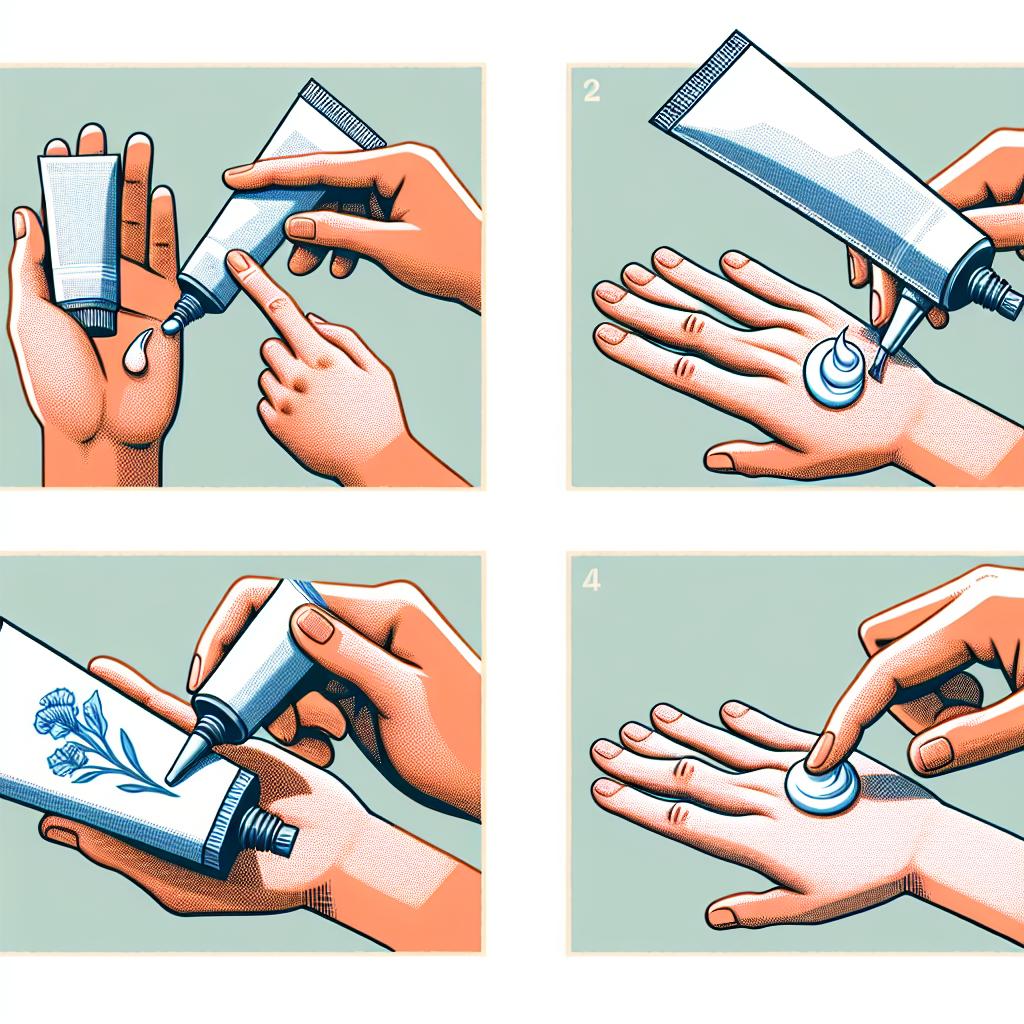
Step-by-Step Application of Ivermectin Cream
Applying Ivermectin cream for scabies can feel a bit like following a secret recipe — there are steps to follow, and you want to get it just right for the best results! Plus, the last thing you want is to invite those pesky mites to stick around for an encore performance. So, roll up your sleeves and let’s get started!
Gather Your Supplies
Before you dive into the application, it’s crucial to gather everything you’ll need. This isn’t a pop quiz, but being prepared makes all the difference. Here’s a quick list to check off:
- Ivermectin cream: Make sure it’s fresh and not expired; we want to eradicate those little invaders rather than give them a vacation.
- Clean, dry skin: It’s like prepping a canvas before you paint — you wouldn’t want dust and grime mucking things up.
- Cotton buds or gloves: This can be helpful for precise application, especially in tricky places.
- Mirror: Handy for applying the cream to hard-to-see areas. It’s like your personal assistant for this mission!
Application Technique
Now that you’re armed with your supplies, it’s time to put that cream into action. Here’s how to do it without much fuss:
- Wash Your Hands: Seriously, scrub-a-dub before touching anything. It’s just good hygiene practice.
- Apply the Cream: Squeeze a small amount onto your fingers or a cotton bud. You want enough to cover the affected area but don’t go overboard like you’re frosting a cake. Aim for a thin and even layer.
- Spread It Evenly: Gently rub the cream onto the affected areas and a little bit beyond, as scabies can be sneaky little buggers, sometimes venturing into uncharted territory! Think of it like painting a fence — you want full coverage for the best protection.
- Let it Absorb: Give the cream some time to do its magic. Avoid bathing or applying anything else for at least 8 to 12 hours post-application, allowing the Ivermectin to work its way into any hiding spots.
Aftercare and Monitoring
You might be wondering, “What’s next after I’ve plastered my skin with this cream?” Great question! Here’s what to keep in mind:
- Avoid Contact: For a while, minimize skin-to-skin contact to prevent any unfortunate transfer of those little critters to unsuspecting friends or family members. Picture it like trying to keep your house clean during a messy renovation!
- Watch for Symptoms: Keep an eye on any lingering symptoms. It can take a bit of time for all the itching and irritation to fade, even after successful treatment, so don’t panic if it doesn’t clear up immediately. Just like a bad TV show, might need one or two more episodes!
- Follow Up: If things aren’t improving or seem to worsen, don’t hesitate to connect with your healthcare provider. Consider it your safety net because nobody deserves a persistent itch fest!
Final Thoughts on Application
There you have it! By following these practical steps, you’re not just applying cream, but you’re setting yourself on the path towards a scabies-free existence. Just remember, as you embark on this topical mission, patience is key. Sometimes the creepiest crawlies take their time leaving the party, but with Ivermectin in your corner, you’re definitely on the winning side!
Now, get ready to reclaim your skin and your peace of mind! If you have any more questions or experiences to share about your journey with scabies treatment, feel free to chime in. After all, knowledge shared is knowledge multiplied!
Common Mistakes to Avoid When Using Ivermectin
When it comes to using ivermectin cream for scabies, avoiding some common pitfalls can be the difference between some itchy nights and a peaceful, parasite-free sleep. Many people embark on the journey to relieve their skin woes with the best intentions, only to find themselves inadvertently making things worse. Let’s dive into some missteps, shall we?
Misuse of the Cream
First on the list is the bad habit of not applying the cream properly. I’ve seen friends just slather it on like frosting on a cake, but that’s not how it works! It’s crucial to apply a thin layer directly to the affected areas and massage it in gently.
Also, using it too sparingly can lead to low effectiveness—don’t treat it like a rare condiment you’re rationing for special occasions. Use enough to cover your skin but avoid creating a grease slick.
Timing is Everything
Another common blunder is applying the cream at the wrong times. You may think it’s ok to pop it on before hitting the gym or after a shower, but keeping it dry for a few hours is essential for maximum absorption. Patience pays off here—give it time to soak into your skin and work its magic before you jump back into your regular routine.
Let’s also set the record straight about persistence. “Just because it itches less, doesn’t mean it’s gone!” Skimping on the treatment schedule can lead to a return of the pesky mites, and nobody wants to go through that cycle again, trust me!
Consult Before You Dive In
Always, always converse with a healthcare professional before starting treatment. While your buddy might swear by it after their own skirmish with scabies, we’re all uniquely different. It’s like trying to fit a square peg in a round hole! Your personal medical history may influence how the cream works for you, so consider this a friendly nudge to loop in the experts.
Also, if you have a chance, check in on current research—it’s like eavesdropping on a fascinating conversation about new treatments and studies that might make your skincare journey smoother. Staying informed is half the battle won!
The Dos and Don’ts Recap
Creating a quick reference table can help ensure you’ve got the essentials down pat:
| Dos | Don’ts |
|---|---|
| Apply a thin, even layer | Overapply like it’s pizza toppings |
| Follow the recommended application schedule | Skip doses if you feel better |
| Consult your doctor before starting | Listen solely to your friends’ anecdotes |
| Keep affected areas clean | Ignore hygiene because “my skin’s already a mess” |
Avoiding these common mistakes can make your experience with ivermectin cream for scabies much smoother—and possibly even a little more enjoyable. Give your skin the care it deserves, and keep those itching mites at bay!
What to Expect During Treatment
During your treatment with ivermectin cream for scabies, you can expect a rollercoaster of sensations and experiences. First off, getting started is as simple as lathering on the cream—think of it as a skincare routine with a rather unexpected twist. You’ll apply it not just to the areas that itch like a thousand ants but also to a bit of the surrounding skin (we definitely don’t want those little critters watching a theater performance as they multiply!).
Here’s what to keep in mind:
- Application Technique: Make sure your skin is clean and dry. Use a small amount to cover the whole affected area evenly.
- Timing: It’s usually best to apply it at bedtime, allowing it to soak in while you catch some z’s. Just don’t forget to wash your hands afterward!
- Immediate Reactions: Some folks report a bit of tingling or mild redness after application. Think of it as the cream getting to work—it’s like a tiny spa party for your skin, but it might not be as comfortable as sipping mimosa in a lounger!
Managing Symptoms
Once you’ve got the cream in motion, you might want to brace yourself for some lingering symptoms. It’s like waiting for a sequel to your favorite movie; the anticipation is worse than the outcome! You might still feel itchy as your skin starts to heal. And just like that pesky family member who shows up uninvited to all the reunions, itching can be a nuisance. Over-the-counter antihistamines can help, but check with your healthcare provider first—better safe than sorry!
Here’s a quick rundown of what your healing process might look like in terms of timing:
| Days After Treatment | What to Expect |
|---|---|
| 1-3 Days | You may notice continued itchiness and some irritation while the mite population starts dwindling. |
| 4-7 Days | Itching could increase as dead mites die off. It’s annoying, but that’s a sign things are moving! |
| 7-10 Days | Symptoms should begin to ease; redness and irritation should gradually subside. |
Don’t Forget to Check-In!
Like a loyal dog, your skin will bark back now and then. If after a week or so, the itching feels like it’s throwing a never-ending party, reach back out to your dermatologist. They can provide additional recommendations or reassess your treatment plan, just like some well-meaning family members when you hit a rough patch! Remember, patience pays off, and while some folks might sail smoothly through treatment, others might hit a few more bumps along the road.
As always, stay informed—there’s ongoing research into scabies treatment, and the landscape is changing. Knowledge is your best ally! So, keep a dialogue open with your healthcare provider and don’t shy away from asking questions. After all, treating scabies is no one-size-fits-all scenario; it’s a tailored jacket for your unique experience.
Post-Treatment Care for Scabies Relief
After applying Ivermectin cream, you’re probably feeling a mix of hope and a bit of relief, but don’t let your guard down just yet. The road to scabies relief doesn’t stop with a single application. Oh no, it’s like the thrilling ride on a rollercoaster—there might be a few more twists and turns ahead! Ensuring your skin remains happy while effectively dealing with any lingering itchiness and preventing a potential scabies comeback is key. Let’s dive into the essential post-treatment care that can keep you feeling comfortable and scabies-free.
Taking Care of Your Skin
Once you’ve treated yourself with Ivermectin, your skin might feel like it just finished running a marathon—sensitive and possibly a little irritated. Here are some tips to pamper your skin while it heals:
- Moisturize: Applying a gentle, fragrance-free moisturizer can help soothe irritation. Think of this as a much-needed hug for your skin!
- Avoid Harsh Soaps and Hot Water: Bubble baths sound tempting, but hot baths can irritate freshly treated skin. Stick to lukewarm water and mild soap. Your local drugstore shelves have a variety of options—just steer clear of anything with “perfumed” on the label.
- Stay Cool: Ideally, wear loose, breathable clothing made from natural fibers. Let your skin breathe—no more itchy, tight pants for now! It’s the perfect excuse to rock those comfy sweats you love.
Managing Itching and Discomfort
Even after treatment, you might find yourself scratching like a contestant in a game show. Here’s how to stay one step ahead of the itch:
- Antihistamines: Over-the-counter options like cetirizine or diphenhydramine can be real game-changers. They help quell the itchiness, especially when taken before bedtime—so you can finally sleep like a baby again!
- Cold Compresses: For localized itch relief, try applying a cold compress to affected areas. It’s like sending an ice pack to the rescue, providing instant relief and calming the skin down.
- Patience is Key: It’s important to remember that the itching can last for a little while even after treatment. Your skin may still be throwing a tantrum as it heals, but with the right care, that will pass with time.
Cleaning Up the Household
You might be inclined to think that you’ve kicked scabies to the curb, but they can be a tenacious bunch! After treatment, cleaning your home thoroughly is crucial to prevent re-infestation. Here’s your cleaning checklist:
- Wash Bedding and Clothing: Everything that touched your body during the past week—sheets, towels, clothes—needs a hot wash. It’s like giving them a nice spa day to wash away the pests.
- Vacuum: Don’t forget to vacuum your living space! Pay special attention to areas where you frequently sit or lie down. Dispose of the vacuum bag immediately or empty the canister outside.
- Seal and Store: If you have items that can’t be washed, seal them in a bag for a minimum of 72 hours. Consider it a little timeout for the scabies until they learn their lesson.
Ongoing Monitoring and Follow-Up
Even after your efforts, keep a keen eye on your skin for any signs of returning scabies. Here’s how to stay ahead of the game:
| Action | Frequency | Notes |
|————————–|———————-|———————————-|
| Skin Check | Daily | Look for new bumps or rash |
| Re-Apply if Necessary | If recommended by doc| Follow healthcare advice closely |
| Schedule Follow-Up Visit | 1-2 weeks post-care | Check-in on your recovery |
Be proactive and don’t hesitate to reach out to your healthcare provider if you notice anything unusual. A journey like this can feel daunting, but with proper care, patience, and a sprinkle of humor, you can approach it like a boss. So, embrace the post-treatment process, and here’s to a scabies-free future—starting from today!
When to Consult a Healthcare Professional
When using ivermectin cream for scabies, knowing when to seek help from a healthcare professional can make all the difference in your treatment journey. You might feel like an expert on your bumps and itches after just a few days of applying that cream, but sometimes, the universe has a way of throwing curveballs. So, let’s break down some scenarios where it’s time to put down the tube and dial up the doc.
Worsening Symptoms
If your symptoms seem to be throwing a party rather than getting better—think increased redness, swelling, or if those pesky little critters feel like they’re multiplying—this isn’t just you overreacting. This could signal an allergic reaction, irritation from the cream, or perhaps a case of misdiagnosis. Scabies can resemble other skin conditions such as eczema or psoriasis, which might explain why the cream isn’t doing its job.
There’s also the case of secondary infections. If those little sores start looking like a horror movie and begin oozing more than they should, it’s time to get in touch with your friendly neighborhood healthcare provider. After all, no one wants a script for a movie that involves infections!
Duration of Treatment
Generally, ivermectin cream is applied for a week or so, but if you’ve been dating those scabies for longer than that without any change—or worse, they’ve decided to stage a comeback—you need to chat with a healthcare professional. The first round might not always do the trick, and some individuals simply need an enhanced treatment plan, which could involve different medications or additional topical treatments.
Your expert can also provide tips on keeping your environment parasite-free, because let’s be real, nobody wants to live in a scabies renaissance!
Persistent Itching
Let’s talk about itching, because, honestly, who wants to scratch themselves like a bear with a bad case of fleas? If the itchiness continues well past the timeframe of treatment, don’t just brush it off. Scabies itch—that’s a given—but if you feel like you’re auditioning for a role in “The Itchy and Scratchy Show,” it’s a red flag. Sometimes, the itch is so intense, it can disrupt sleep, concentration, and well, your entire life.
At times, you might be stuck in a cycle of irritating your skin with too much scratching, which can lead to even more irritation. So, give your skin a break, and if the itching shows no signs of letting up, consulting your physician is a smart move. They might have some tricks up their sleeve to help you find relief.
Uncertain Diagnoses and New Symptoms
It’s crucial to keep in mind the nature of scabies; it often brings friends along like bacterial infections and inflammation. If you suddenly find yourself experiencing new symptoms—like fever, chills, or swollen lymph nodes—this could signify that something more sinister is going on. The body, like a dramatic high schooler, sometimes has a flair for the unexpected, and these additional symptoms warrant a healthcare professional’s insight.
consider your primary care provider your safety net when it comes to any health woes that pop up during your treatment. From adverse reactions to new symptoms, don’t hesitate to ring them up. Better safe than sorry, right? Remember, you’re not just a patient; you’re a participant in your healthcare journey, and that dialogue can lead to clearer skies and itch-free skin ahead!
Exploring Alternatives to Ivermectin Cream
When it comes to tackling scabies, Ivermectin cream has carved its niche as a popular go-to solution. But what if you’re curious about alternatives? The quest for different options can feel like searching for a needle in a haystack, especially when the itch feels like it’s taken residency on your skin. Here’s a dive into the world of alternatives that might just soothe your woes while keeping that pesky scabies at bay.
Topical Treatments
One of the primary routes for scabies treatment besides Ivermectin is through topical agents that are often more than just your run-of-the-mill creams. Here are a few noteworthy contenders:
- Permethrin Cream: Often dubbed the superhero in scabies treatment, this cream is a synthetic version of pyrethroid, a chemical found in chrysanthemum flowers. Applied just like Ivermectin, it’s effective and comes in a concentrated 5% form.
- Crotamiton: This is an interesting one—it acts as both a scabicidal agent and an anti-itch treatment. Instead of dressing up like a medicine cabinet, think of it more as a two-in-one deal for quicker relief.
- Benzyl Benzoate: You might not have heard of this one before, but it’s another topical option that can be used for scabies. Although it has a bit of a funky odor, it’s known to work well. Just be ready for that “I just rolled in the hay” smell!
Oral Alternatives
If creams and lotions aren’t your style (hey, we’ve all had those days), there are oral options that can be as effective against scabies. Here’s what you might want to consider:
- Oral Ivermectin: It comes in pill form and can be a game-changer, especially for those who have widespread scabies or are battling a particularly stubborn infestation. It’s like Ivermectin’s trusty sidekick ready to take charge of those hard-to-reach spots!
- Other Antiparasitic Medications: Although less common for scabies, options like Albendazole have been explored in ongoing research. They target various parasites, giving you a fighting chance against those uninvited scabies guests.
Home Remedies and Lifestyle Changes
For those who lean towards natural remedies (trust me, grandma’s kitchen had some impressive concoctions), there are a few methods that people swear by:
- Tea Tree Oil: This essential oil is rumored to have antiparasitic properties. However, remember that while you’re on a DIY journey, allergy tests are a must. Imagine discovering you’re allergic while dealing with scabies—talk about a double whammy!
- Neem Oil: Steeped in centuries of traditional medicine, this oil is said to possess antibacterial and antifungal properties. Just be prepared for the smell; it could clear a room faster than a skunk encounter!
- Stay Clean, Stay Cool: Regular washing of your linens and clothes at high temperatures is key. You don’t just want to kick scabies to the curb; you want to ensure they don’t come knocking again.
What Research Says
In the world of scabies treatment, the landscape is constantly evolving. Ongoing studies are exploring combinations of treatments, aiming to enhance efficacy and reduce treatment duration. It’s like the research community is constantly cooking up new recipes in the kitchen of medicine, striving to find the perfect blend to get rid of our critter friends. Keeping up with journals dedicated to dermatology can provide insights into the latest breakthroughs and alternative treatment suggestions.
When exploring alternatives, it’s crucial to remember that individual results can vary and what works for you may not work for everyone else. If you ever feel overwhelmed, consulting a healthcare professional can be as comforting as a warm blanket on a chilly night. So, whether you opt for creams, pills, or home remedies, there’s hope beyond Ivermectin that can help you reclaim your itch-free life!
Q&A
What is Ivermectin Cream, and how does it work for scabies?
Ivermectin cream is a topical formulation that utilizes the active ingredient ivermectin, which has been widely used in treating various parasitic infections, including scabies. Scabies is caused by an infestation of the Sarcoptes scabiei mite, leading to intense itching and inflammation. The mechanism of action for ivermectin is primarily through its effect on the nervous system of the mite, causing paralysis and ultimately death of the parasite.
When applied to the skin, ivermectin cream penetrates the epidermis and binds to specific channels in the nerve and muscle cells of the scabies mites. This binding disruption impedes the communication between cells, effectively paralyzing the mites. Research indicates that this treatment can be particularly effective for crusted scabies, a more severe form where the infestation can be extensive and more challenging to treat with oral medications only.
How should I apply Ivermectin Cream for effective treatment?
Applying ivermectin cream correctly is crucial for its effectiveness. The general recommendation is to apply a thin layer over the entire affected area of the skin. This includes not just the visible rashes but also around the folds of your skin (like between fingers, underarms, and groin), as scabies mites can hide in these areas. Here’s a step-by-step process to ensure proper application:
- Clean the Skin: Before applying the cream, wash the affected areas with soap and water, then pat dry.
- Apply the Cream: Squeeze a small amount of ivermectin cream onto your fingertips. Gently rub it into the skin until it is fully absorbed. Make sure to cover the entire affected area generously.
- Avoid Certain Areas: Be cautious to avoid applying the cream to open wounds or mucous membranes (eyes, mouth, etc.).
It is often recommended to leave the cream on for a specified duration, usually overnight, and then wash it off the next day as directed by your healthcare provider. Following manufacturer instructions or your doctor’s prescription regarding the duration and frequency of application is essential to achieving the best results.
How long does it take for Ivermectin Cream to work on scabies?
The time it takes for ivermectin cream to show effectiveness can vary based on several factors, including the severity of the infestation and adherence to proper application techniques. Patients often begin to notice a reduction in itching and irritation within 24 to 48 hours after application. However, complete elimination of the scabies mites and their eggs usually needs more time, often several days to weeks.
Clinical studies indicate that after a single application, the efficacy can reach upwards of 80-90% in effectively clearing the infestation. Nonetheless, it is crucial to maintain patience, as the rash and itching may persist for some time after the mites are eradicated. This is due to the skin’s reaction to the mite remnants and allergens, which can lead to prolonged discomfort.
Are there any side effects associated with Ivermectin Cream?
As with any medication, ivermectin cream can have side effects, although most people tolerate it well. Common side effects may include mild to moderate skin irritation, such as redness, burning, or itching at the application site. These symptoms are typically transient and resolve as the skin adjusts to the treatment.
Serious side effects are rare but can occur. If you experience severe allergic reactions—such as swelling, difficulty breathing, or hives—immediate medical attention is necessary. It’s important to discuss your medical history with your healthcare provider before using the cream, especially if you have underlying skin conditions or are pregnant or breastfeeding. For most individuals, the benefits of effectively treating scabies with ivermectin cream outweigh the potential risks.
Can I use Ivermectin Cream along with other treatments for scabies?
Using ivermectin cream in conjunction with other treatments for scabies is generally acceptable, but it should be done under the guidance of a healthcare professional. For instance, many practitioners recommend a dual approach, especially in severe cases like crusted scabies. You may be advised to use ivermectin cream alongside permethrin cream, a common topical treatment for scabies that works through a different mechanism of action.
However, combining treatments necessitates careful monitoring for adverse reactions or increased side effects. It’s essential to follow a structured treatment regimen as prescribed by your doctor, which might include a schedule for applying both creams. Furthermore, to prevent reinfestation, it’s crucial to wash all clothing, bedding, and towels used during the infestation in hot water and dry them on a high setting.
How do I clean my environment to prevent reinfestation after treatment?
Preventing reinfestation of scabies after using ivermectin cream involves thorough environmental cleaning to eliminate any lingering mites or eggs. Scabies mites can survive away from the human body for a limited time, particularly in fabrics, upholstery, or bedding. Here are some effective strategies to consider:
- Wash Linens and Clothing: After treatment, wash all clothing, sheets, towels, and other fabrics that may have come into contact with infested skin in hot water (at least 130°F or 54°C). Use a hot dryer to dry these items fully.
- Treat Non-Washables: For items that cannot be washed, such as stuffed animals or available upholstery, consider sealing them in a plastic bag for 3-7 days. Starving the mites of their human host will kill them.
- Vacuum Thoroughly: Regular vacuuming of carpets, furniture, and other surfaces is vital. Vacuum bags should be disposed of immediately or sealed to trap any potential mites.
Implementing these cleaning practices, along with applying treatments as directed, can help ensure that scabies do not recur after you’ve undergone treatment. Always consult your healthcare provider for tailored advice based on your living situation or if concerns persist after treatment.
Final Thoughts
“How to Use Ivermectin Cream for Scabies: A Practical Guide” has equipped you with the essential knowledge and practical insights to tackle this irritating skin condition head-on. Armed with the right application techniques, frequency, and safety precautions, you’re well on your way to reclaiming your skin’s comfort and health.
Remember, scabies may be sneaky, but you’re now smarter and better prepared! With patience and diligence, the end of your scabies struggle is within reach. Just as you wouldn’t ignore a pesky mosquito at your summer barbeque, don’t let these mites crash your skin party! If symptoms persist or worsen, don’t hesitate to consult a healthcare professional—they’ve got your back (and your skin) covered.
So go forth, armed with knowledge and a tube of ivermectin cream! May your journey to relief be swift and successful. Now, if only battling those summer mosquitoes were as easy, right?

