Understanding Ivermectin Posology: Pharmacokinetics & Cross-Species Standards
Ivermectin is a semi-synthetic derivative of the avermectin family of macrocyclic lactones, originally isolated from the soil actinomycete Streptomyces avermitilis. In clinical pharmacokinetics, ivermectin exhibits high lipophilicity, resulting in an extensive volume of distribution ($V_d$) across peripheral tissues, epidermal keratinocytes, and adipose reservoirs. Peak plasma concentrations ($C_{max}$) are typically observed between 4 and 6 hours following oral administration in human subjects. However, the elimination half-life spans 12 to 18 hours, with parent compound and oxidative metabolites undergoing protracted hepatic clearance via cytochrome P450 (predominantly CYP3A4) and biliary secretion into feces ($>98%$).
The posological challenge across human and veterinary applications lies in the wide disparity of therapeutic indices across species and clinical targets. In human medicine, oral ivermectin is formulated as 3 mg tablets (Stromectol) and dosed strictly by body mass: standard clinical regimens administer 150 to 200 mcg/kg as a single oral dose with water on an empty stomach for intestinal strongyloidiasis or onchocerciasis, often repeated after 8 to 14 days in recalcitrant crusted scabies. In topical dermatological posology, a 1% cream (Soolantra) delivers localized follicular delivery for rosacea inflammatory lesions with negligible systemic bioaccumulation.
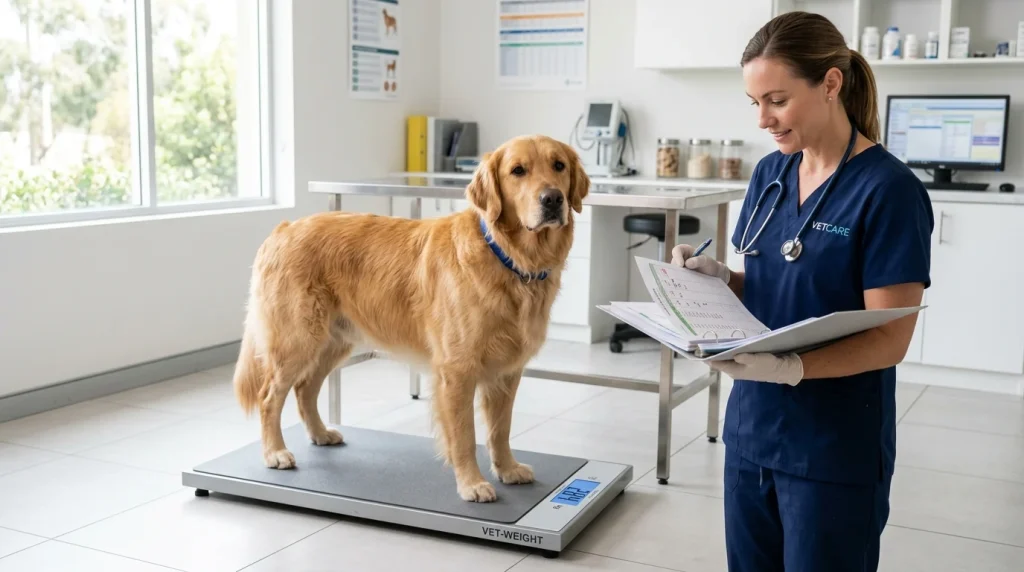
Conversely, veterinary posology demands absolute distinction between canine micro-dosing and livestock macro-dosing. Canine heartworm chemoprophylaxis targets developing Dirofilaria immitis microfilariae at nominal monthly doses of only 6 mcg/kg (0.006 mg/kg)—a safety margin designed specifically to protect breeds carrying the ABCB1/MDR1 P-glycoprotein gene deletion. In stark contrast, demodectic mange therapy requires up to 300 to 600 mcg/kg daily under rigorous veterinary supervision. Livestock drench and paste formulations (e.g., 1.87% equine paste, 1% bovine injectable) contain massive active ingredient concentrations (10 mg/mL to 18.7 mg/g) intended for animals weighing 500 to 1,200 pounds; attempting to subdivide these veterinary pastes for human or companion pet use introduces severe volumetric dosing errors and neurotoxic overdoses.
| Species & Indication | Administration Route | Standard Dosage Threshold | Clinical Precautions & Index |
|---|
| Human Strongyloidiasis | Oral tablet (empty stomach) | 200 mcg/kg single dose | Verify negative Loa loa status to prevent encephalopathy. |
| Human Classical Scabies | Oral tablet | 200 mcg/kg, repeat day 8–14 | Co-treat household contacts; re-evaluate epidermal scrapping. |
| Canine Heartworm Prevention | Oral chewable / tablet | 6 mcg/kg monthly (0.006 mg/kg) | Safe in MDR1 breeds at preventive dose; test antigen prior to initiation. |
| Equine Nematode Parasites | Oral 1.87% paste | 200 mcg/kg (0.2 mg/kg) | Calibrated syringe barrel; ensure oral cavity is cleared of feed. |
| Caprine Gastrointestinal Worms | Oral drench / pour-on | 0.4 mg/kg (400 mcg/kg) | Fast caprine metabolism requires 2x bovine dose; observe milk withdrawal. |
Clinical & Regulatory Notice: This educational category hub models published biomedical literature, clinical posology standards, and veterinary guidelines for informational and scientific research purposes only. It does not provide certified medical or veterinary prescription advice. For individual diagnostic protocols, weight verifications, or therapeutic regimens, consult an actively licensed medical physician or veterinarian. Compiled by the Biomedical & Veterinary Pharmacological Reference Panel.