
✨ This article was AI edited. Editorial responsibility: Ivermectin.cat.
Produced with AI. This article was artificially generated. Editorial responsibility: Ivermectin.cat.
Ivermectin dosage for dogs by weight (kg) ranges from ultra-low monthly heartworm preventative doses of 0.006 mg/kg (6 mcg/kg) up to higher therapeutic doses of 0.2 to 0.6 mg/kg (200–600 mcg/kg) for generalized demodectic or sarcoptic mange, requiring mandatory MDR1 genetic screening in sensitive herding breeds before administering doses above heartworm thresholds.
Canine veterinary pharmacology requires precise calculation of macrocyclic lactones based on exact body mass measured in kilograms. Because the therapeutic margin varies dramatically between microfilarial heartworm prophylaxis and high-dose acaricidal mange therapy, veterinary oversight and accurate dosing charts are indispensable to prevent lethal neurotoxicity.
Canine Weight-Based Dosing Matrix (Kilograms & Micrograms)
The following clinical reference chart details exact therapeutic dosing across canine weight tiers for FDA-approved heartworm prevention versus high-dose dermatological indications.
| Canine Body Weight (kg) | Canine Body Weight (lbs) | Heartworm Prophylaxis (6 mcg/kg / month) | Sarcoptic Mange (200–300 mcg/kg) | Demodectic Mange (300–600 mcg/kg / day) |
|---|---|---|---|---|
| 2.5 kg | 5.5 lbs | 15 mcg (0.015 mg) | 500–750 mcg (0.5–0.75 mg) | 750–1,500 mcg (0.75–1.5 mg) |
| 5.0 kg | 11.0 lbs | 30 mcg (0.030 mg) | 1,000–1,500 mcg (1.0–1.5 mg) | 1,500–3,000 mcg (1.5–3.0 mg) |
| 10.0 kg | 22.0 lbs | 60 mcg (0.060 mg) | 2,000–3,000 mcg (2.0–3.0 mg) | 3,000–6,000 mcg (3.0–6.0 mg) |
| 20.0 kg | 44.0 lbs | 120 mcg (0.120 mg) | 4,000–6,000 mcg (4.0–6.0 mg) | 6,000–12,000 mcg (6.0–12.0 mg) |
| 30.0 kg | 66.0 lbs | 180 mcg (0.180 mg) | 6,000–9,000 mcg (6.0–9.0 mg) | 9,000–18,000 mcg (9.0–18.0 mg) |
| 40.0 kg | 88.0 lbs | 240 mcg (0.240 mg) | 8,000–12,000 mcg (8.0–12.0 mg) | 12,000–24,000 mcg (12.0–24.0 mg) |
| 50.0 kg | 110.0 lbs | 300 mcg (0.300 mg) | 10,000–15,000 mcg (10.0–15.0 mg) | 15,000–30,000 mcg (15.0–30.0 mg) |
The MDR1 (ABCB1) Genetic Mutation: Critical Breed Precautions
The blood-brain barrier in normal canines expresses P-glycoprotein efflux pumps that actively transport macrocyclic lactones out of the central nervous system. However, a 4-base pair deletion mutation in the ABCB1 (MDR1) gene produces non-functional P-glycoproteins:
- Affected Breeds: Collies (up to 70% mutant allele frequency), Australian Shepherds, Shetland Sheepdogs, Border Collies, Old English Sheepdogs, and Whippets.
- Heterozygous Dogs (MDR1 +/-): Sensitive to intermediate doses; can safely receive low-dose heartworm prevention (6 mcg/kg) but experience toxicity at mange doses.
- Homozygous Mutant Dogs (MDR1 -/-): Extreme susceptibility. High-dose mange therapy triggers fatal central neurotoxicity (ataxia, blindness, coma, and respiratory failure).
- Modern Alternative for Mange in MDR1 Breeds: Isoxazoline class parasiticide chewables (such as Sarolaner, Afoxolaner, Fluralaner, and Lotilaner) deliver superior mite clearance without P-glycoprotein interaction.
Clinical Protocol: Step-by-Step Administration & Dilution Safety
Veterinary technicians and pet owners must observe strict compounding rules when handling liquid antiparasitic solutions:
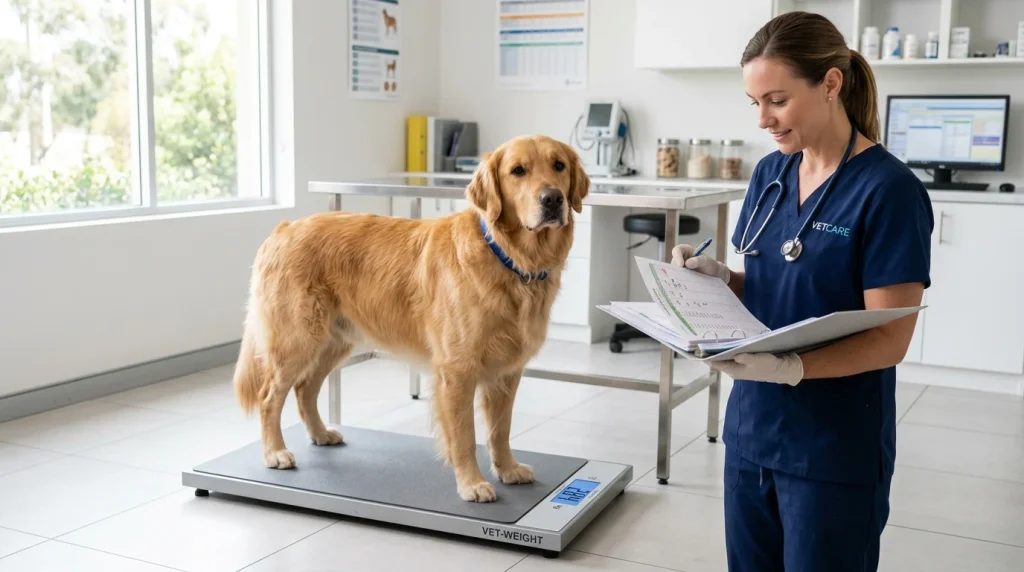
- Never Estimate Weight: Always obtain an exact weight in kilograms using a calibrated veterinary platform scale.
- Avoid Direct Livestock 1% Injections Orally Without Proper Dilution: Bovine 1% (10 mg/mL) solutions are far too concentrated for small dogs (0.1 mL contains 1,000 mcg). Compounding pharmacies dilute solutions in food-grade propylene glycol or corn oil for accurate low-volume dosing.
- Post-Administration Monitoring: Observe the dog closely for 4 to 6 hours post-dose for early signs of adverse hypersensitivity or microfilarial die-off (Mazzotti-like) reactions.
Emergency Management of Canine Ivermectin Toxicosis
If an accidental overdose or MDR1 reaction occurs, aggressive veterinary intensive care must be initiated promptly:
- Intravenous Lipid Emulsion (ILE) Therapy: Infusion of a 20% lipid emulsion acts as a ‘lipid sink,’ drawing the lipophilic ivermectin molecule out of central nervous tissue and accelerating hepatic clearance.
- Supportive Mechanical Ventilation: Essential for comatose patients experiencing severe central respiratory depression.
- Active Thermoregulation & Enteral Nutrition: Maintaining normal body temperature and preventing aspiration during prolonged sedation.
Veterinary Diagnostic Protocols for Acaricidal Mange Monitoring
Monitoring the therapeutic response of canine demodectic or sarcoptic mange requires standardized dermatological evaluation. Deep skin scrapings (scraping until capillary bleeding is observed) must be performed at 2-to-4-week intervals across multiple representative lesion sites.
Microscopic evaluation tracks adult mite counts, immature nymphs, and egg ratios. In demodectic mange therapy, treatment must continue for a minimum of 4 weeks beyond the second consecutive negative monthly skin scraping to prevent relapse from deep follicular mite populations residing within hair follicles.
Frequently Asked Questions (FAQ)
Can I give horse paste or cattle pour-on to my dog?
No. Agricultural pastes and pour-on solutions contain dangerously high drug concentrations and harsh industrial solvents that cause fatal overdoses, chemical gastritis, and blindness in dogs.
Is low-dose monthly heartworm prevention safe for Collie breeds?
Yes. FDA-approved commercial monthly heartworm preventatives (like Heartgard Plus) contain ultra-low doses (6 mcg/kg) that are verified safe even for Collies homozygous for the MDR1 mutation.
How do I test my dog for the MDR1 gene mutation?
A simple, non-invasive cheek swab DNA test performed through veterinary diagnostic laboratories (such as Washington State University’s PRND program) identifies normal, heterozygous, or mutant genotypes.
What are the first signs of ivermectin poisoning in dogs?
Early symptoms include dilated pupils, wobbly gait (ataxia), excessive drooling, lethargy, muscle tremors, loss of vision, and vomiting within 2 to 12 hours of exposure.
Recibe nuestras últimas guías, noticias y análisis destacados en la Búsqueda de Google y en AI Overviews.