

Ivermectin for Pin Worms: Pediatric Dosing, Efficacy & Evidence | Ivermectin.cat
Ivermectin for pin worms is an effective second-line anthelmintic therapy administered as an oral single dose of 200 mcg/kg and repeated after 14 days, indicated when primary first-line treatments like pyrantel pamoate, mebendazole, or albendazole are unavailable, refractory, or clinically contraindicated. Enterobiasis is a highly contagious helminthic infection characterized by nocturnal perianal pruritus, restless sleep,…

Is Ivermectin Safe in Pregnancy? Clinical Guidelines & Fetal Risks | Ivermectin.cat
Is ivermectin safe in pregnancy? Standard obstetric guidelines and the FDA classify oral ivermectin as Category C, recommending against its elective use during pregnancy due to preclinical animal teratogenicity findings and advising expectant mothers to utilize proven Category B alternatives (such as topical permethrin) unless treating maternal life-threatening parasitic hyperinfections. Maternal-fetal pharmacology balances maternal therapeutic…

Can a Pregnant Woman Take Ivermectin Tablet? Safety & Alternatives | Ivermectin.cat
Can a pregnant woman take an ivermectin tablet? Standard clinical obstetrics and World Health Organization guidelines advise pregnant women against taking oral ivermectin tablets due to FDA Category C classification and preclinical animal teratogenicity signals, prescribing safer Category B alternatives like topical permethrin instead, unless treating severe life-threatening maternal hyperinfection. Antimicrobial and antiparasitic pharmacotherapy during…

Ivermectin Pinworm Treatment: Efficacy, Dosing & Clinical Guidelines | Ivermectin.cat
Ivermectin pinworm treatment involves administering an oral single dose of 200 mcg/kg ivermectin repeated after 14 days to clear Enterobius vermicularis in patients where primary benzimidazole anthelmintics (mebendazole, albendazole) or pyrantel pamoate are inaccessible, contraindicated, or refractory. Human enterobiasis is an intestinal parasitic infection causing intense nocturnal perianal pruritus, restless sleep, and irritability. Because microscopic…

Ivermectin Dosage for Dogs by Weight (kg): Complete Dosing Chart | Ivermectin.cat
Ivermectin dosage for dogs by weight (kg) ranges from ultra-low monthly heartworm preventative doses of 0.006 mg/kg (6 mcg/kg) up to higher therapeutic doses of 0.2 to 0.6 mg/kg (200–600 mcg/kg) for generalized demodectic or sarcoptic mange, requiring mandatory MDR1 genetic screening in sensitive herding breeds before administering doses above heartworm thresholds. Canine veterinary pharmacology…

Can Ivermectin Help With Stomach Issues? Parasite Evidence & Limits | Ivermectin.cat
Can ivermectin help with stomach issues? Ivermectin provides therapeutic relief exclusively when gastrointestinal symptoms are directly caused by proven parasitic nematode infections such as Strongyloides stercoralis, roundworms (Ascaris), or hookworms; it provides zero benefit and can cause adverse side effects when taken for non-parasitic conditions like acid reflux, gastritis, IBS, or food intolerances. Gastrointestinal symptoms…

Ivermectin Gastritis: Stomach Mucosal Safety, Risks & Clinical Facts | Ivermectin.cat
Ivermectin gastritis refers to acute gastric mucosal inflammation, burning epigastric discomfort, nausea, and dyspepsia caused either by the localized chemical irritant properties of xenobiotic solvents present in improperly ingested veterinary products, or by transient mucosal histamine release following parasitic antigen lysis in the upper gastrointestinal tract. Gastritis is defined histopathologically as inflammation of the protective…
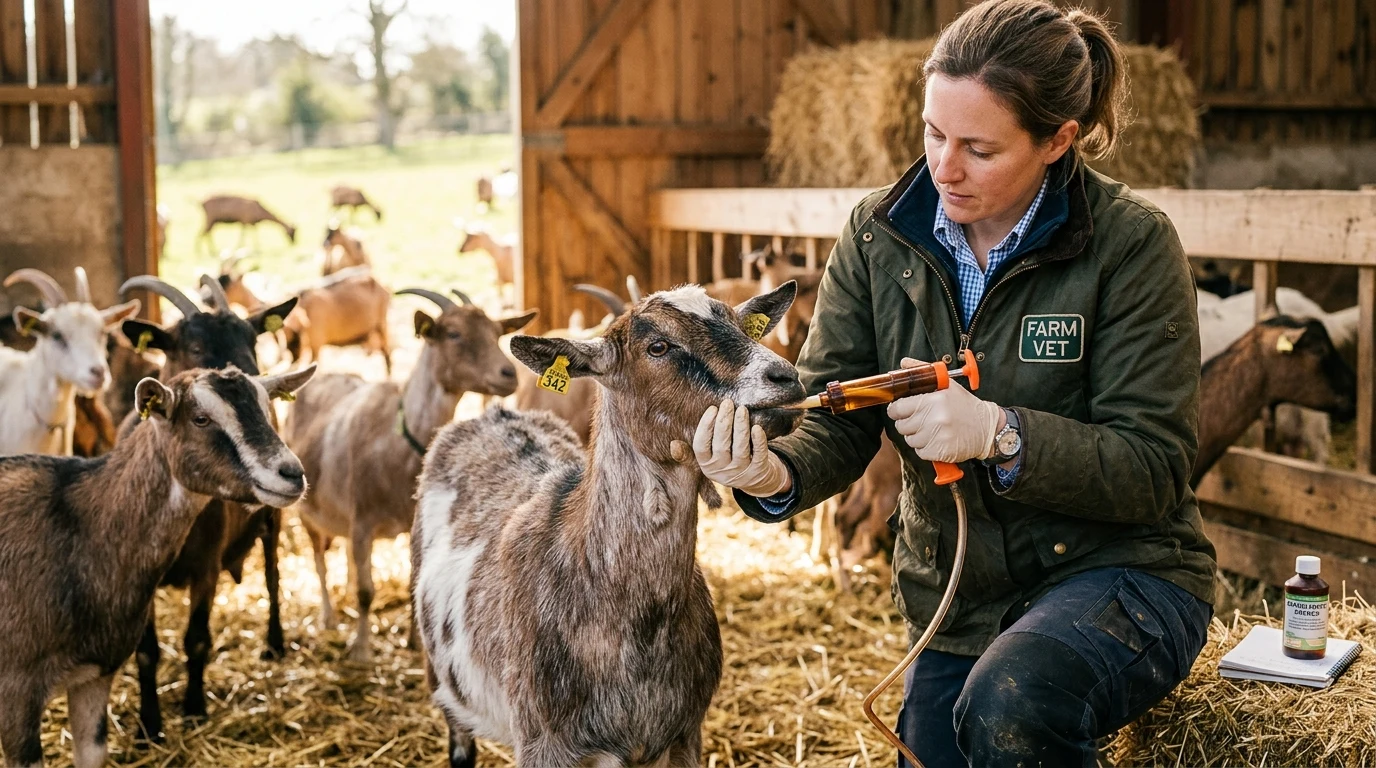
Can Ivermectin Sheep Drench Be Used on Goats? Dosing & Safety Guide | Ivermectin.cat
Can ivermectin sheep drench be used on goats? Yes, ivermectin 0.08% sheep drench is commonly used off-label (extra-label) in goats under veterinary guidance; however, because caprine hepatic metabolism clears macrocyclic lactones twice as fast as ovine systems, goats require an elevated oral dosage of 0.4 mg/kg (double the standard sheep dose) to prevent treatment failure…

Ivermectin During Pregnancy: Gestational Safety & Clinical Risks | Ivermectin.cat
Ivermectin during pregnancy is designated as an FDA Category C medication, with obstetric and infectious disease clinical consensus recommending against its elective use throughout all trimesters of gestation—reserving administration strictly for maternal life-threatening hyperinfection when safer Category B alternatives (like permethrin) are ineffective. Evaluating pharmacological safety during human pregnancy requires careful synthesis of preclinical animal…

Ivermectin Side Effects on Liver: Hepatic Safety & Enzyme Risks | Ivermectin.cat
Ivermectin side effects on the liver are exceptionally rare at standard therapeutic doses (150–200 mcg/kg), with mild transient elevations in hepatic transaminases (ALT/AST) occurring in under 1% of patients, though severe drug-induced liver injury (DILI), acute hepatitis, and hyperbilirubinemia have been documented following massive overdoses or chronic off-label misuse. The human liver serves as the…

Pinworm Ivermectin: Medical Evidence, Dosage & Eradication Guide | Ivermectin.cat
Pinworm ivermectin treatment refers to the second-line therapeutic utilization of oral ivermectin (200 mcg/kg) for Enterobius vermicularis infestations, reserved primarily for refractory cases or polyparasitic co-infections where primary anthelmintics like pyrantel pamoate, mebendazole, or albendazole have failed or are clinically contraindicated. Enterobiasis remains the most common helminthic infection in developed nations, affecting preschool children, school-age…

Ivermectin in Pregnancy: Teratogenicity Data & Clinical Guidelines | Ivermectin.cat
Ivermectin in pregnancy is categorized as FDA Pregnancy Category C and is contraindicated during routine prenatal care, with international health guidelines recommending deferral of treatment until after delivery or the substitution of safer Category B alternatives (such as topical permethrin) unless treating life-threatening maternal hyperinfection. Gestational pharmacotherapy requires rigorous risk-benefit evaluation to safeguard embryonic organogenesis…

Ivermectin for IBS: Scientific Evidence & Gut Health Risks Explained | Ivermectin.cat
Ivermectin for IBS (Irritable Bowel Syndrome) is not medically approved, clinically supported, or effective, as IBS is a complex functional gastrointestinal disorder driven by gut-brain axis dysregulation and visceral hypersensitivity rather than parasitic nematode infections treatable by macrocyclic lactones. Irritable Bowel Syndrome (IBS) affects roughly 10% to 15% of the global population, characterized by recurrent…
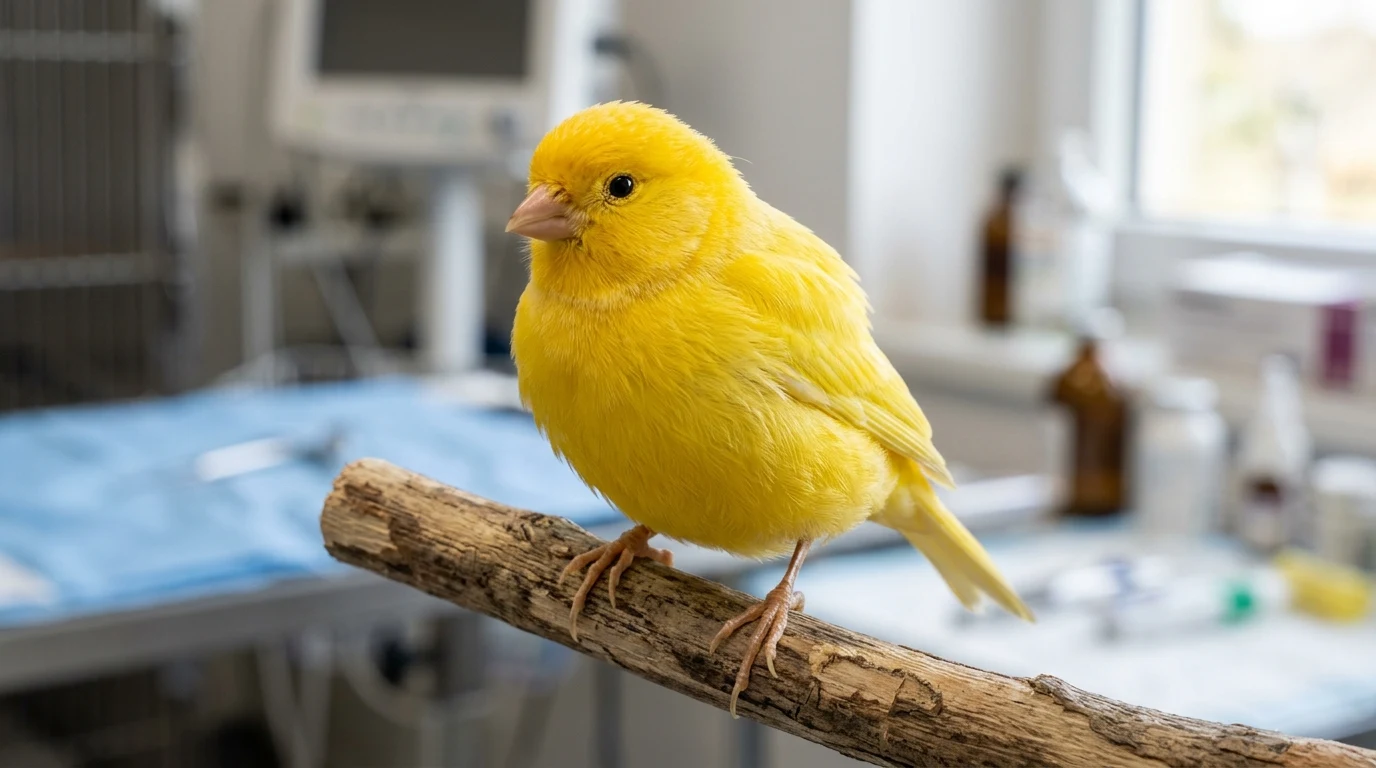
Ivermectin for Canaries — Air Sac Mite Treatment & Safe Dosage | Ivermectin.cat
Ivermectin for canaries is a specialized macrocyclic lactone veterinary antiparasitic formulated at a 0.1% spot-on concentration (1 mg/mL) to safely eradicate life-threatening air sac mites (Sternostoma tracheacolum), scaly leg mites (Knemidokoptes jamaicensis), and feather mites in songbirds. Canaries (Serinus canaria domestica) possess an exceptionally fragile respiratory system and diminutive body mass (typically averaging only 15…

Stool After Ivermectin: Color Changes, Parasite Expulsion & Recovery | Ivermectin.cat
Stool after ivermectin frequently exhibits temporary alterations in color, texture, and frequency, including softer consistency, transient mild diarrhea, increased mucus secretion, or the visible passage of paralyzed nematodes, representing standard physiological parasite clearance and drug excretion rather than adverse pathology. Understanding the physiological timeline of fecal elimination following antiparasitic therapy provides vital reassurance to patients…

Ivermectin for Stomach Issues: Proven Parasite Uses vs Ineffective Conditions | Ivermectin.cat
Ivermectin for stomach issues is medically indicated solely when gastrointestinal symptoms stem directly from proven parasitic nematode infections such as Strongyloides stercoralis or Ascaris lumbricoides; it is completely ineffective and contraindicated for common digestive conditions like acid reflux, gastritis, peptic ulcers, or irritable bowel syndrome (IBS). Patients experiencing chronic abdominal pain, unexplained bloating, intermittent diarrhea,…

Does Ivermectin Treat Pinworms? Medical Efficacy & Dosage Guide | Ivermectin.cat
Does ivermectin treat pinworms? While ivermectin exhibits pharmacological activity against Enterobius vermicularis (human pinworms), clinical infectious disease guidelines designate mebendazole, pyrantel pamoate, and albendazole as the first-line gold-standard treatments, reserving ivermectin primarily for refractory polyparasitic co-infections or specialized veterinary nematode eradication. Enterobiasis represents the most prevalent helminthic infection in temperate climates, affecting hundreds of millions…

Is Ivermectin Safe in Pregnancy? Maternal & Fetal Safety Guide | Ivermectin.cat
Is ivermectin safe for pregnancy? Current clinical guidelines from the World Health Organization (WHO) and FDA (Pregnancy Category C) advise against routine ivermectin use during pregnancy, especially during the first trimester of organogenesis, due to teratogenic signals observed in animal models at maternal toxic doses, reserving treatment exclusively for severe, life-threatening parasitic infections when safer…

Can Ivermectin Cause Colitis? Gastrointestinal Effects & Risks | Ivermectin.cat
Can ivermectin cause colitis? While therapeutic doses of ivermectin rarely cause primary inflammatory colitis in humans or veterinary patients, acute gastrointestinal toxicity, severe mucosal irritation, diarrhea, and secondary ischemic or infectious colitis have been clinically documented following massive overdoses, ingestion of concentrated agricultural formulations, or off-label misuse. Ivermectin is a widely prescribed macrocyclic lactone with…
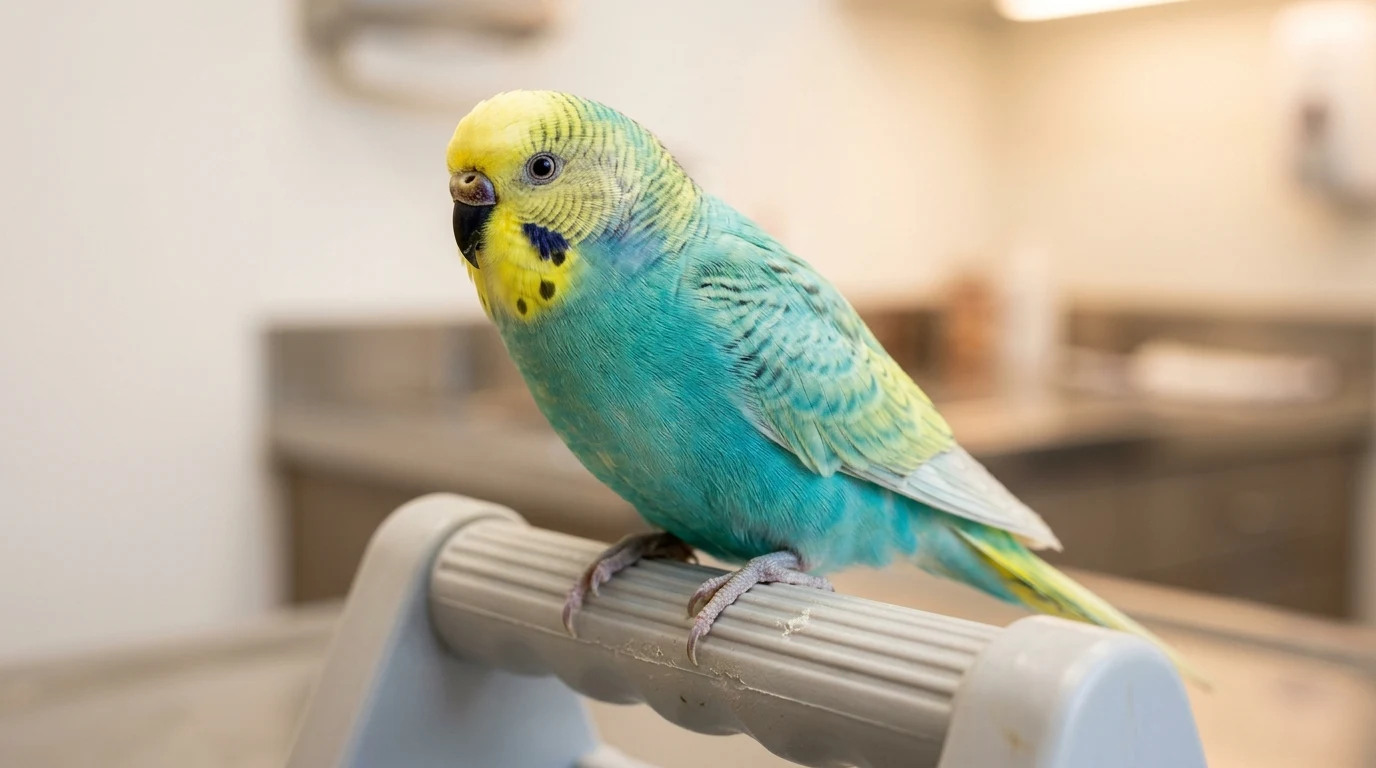
Ivermectin for Budgies — Safe Dosage & Mite Treatment Guide | Ivermectin.cat
Ivermectin for budgies is a broad-spectrum macrocyclic lactone antiparasitic medication primarily prescribed by avian veterinarians to eradicate microscopic mite infestations, most notably Knemidokoptes pilae (the causative organism of scaly face and leg mite disease), air sac mites (Sternostoma tracheacolum), and feather mites in parakeets. Budgerigars (Melopsittacus undulatus) frequently fall victim to burrowing mite parasites that…
For more insights, you might find it helpful to read about ivermectina mata h pylori.
