
✨ This article was AI edited. Editorial responsibility: Ivermectin.cat.
Produced with AI. This article was artificially generated. Editorial responsibility: Ivermectin.cat.
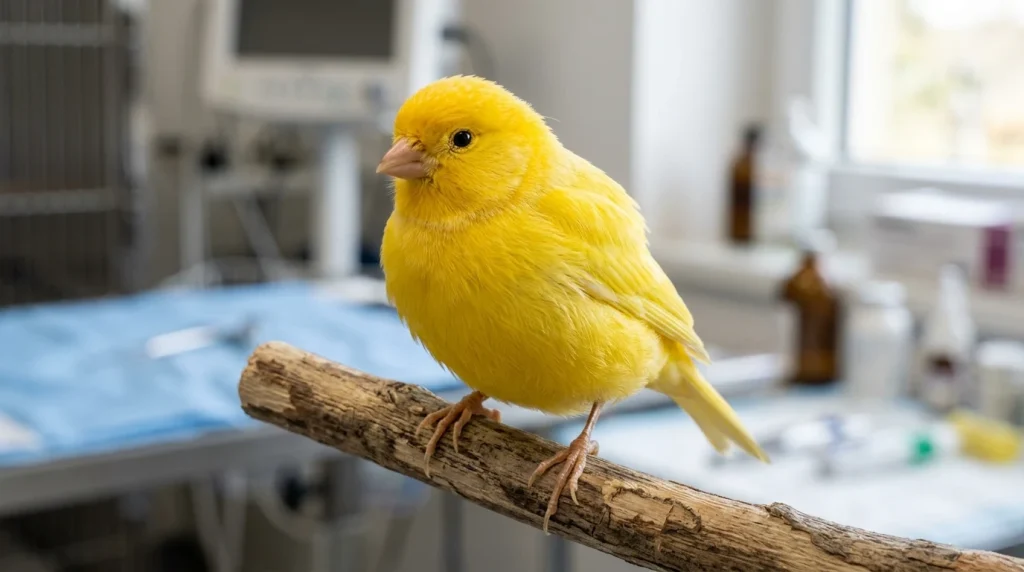
Ivermectin for canaries is a specialized macrocyclic lactone veterinary antiparasitic formulated at a 0.1% spot-on concentration (1 mg/mL) to safely eradicate life-threatening air sac mites (Sternostoma tracheacolum), scaly leg mites (Knemidokoptes jamaicensis), and feather mites in songbirds.
Canaries (Serinus canaria domestica) possess an exceptionally fragile respiratory system and diminutive body mass (typically averaging only 15 to 25 grams). Because air sac mites physically inhabit the trachea, syrinx, lungs, and thoracic/abdominal air sacs, respiratory obstruction and voice loss are critical clinical emergencies requiring exact micro-dosing protocols.
Clinical Signs of Air Sac Mites & Scaly Leg Disease in Canaries
Differentiating avian respiratory parasitism from bacterial pneumonia, fungal aspergillosis, or nutritional iodine deficiency ensures prompt targeted intervention.
| Parasite / Pathology | Target Anatomical Site | Cardinal Clinical Signs | Diagnostic Protocol |
|---|---|---|---|
| Sternostoma tracheacolum (Air Sac Mite) | Trachea, syrinx (voice box), pulmonary air sacs | Loss of singing ability, high-pitched respiratory clicking, nocturnal wheezing, tail bobbing | Transillumination of cervical trachea in darkened room with fiber-optic otoscope |
| Knemidokoptes jamaicensis (Tassel Foot / Scaly Leg) | Unfeathered tarsometatarsus, toes, foot pads | Thick, coral-like keratinaceous tassels, crusty white scales, lameness, swollen joints | Direct microscopic examination of mineral oil skin scrapings |
| Dermanyssus gallinae (Avian Red Mite) | Nocturnal whole-body capillary feeding | Severe anemia (pale mucosa), nest desertion, juvenile chick mortality, night frights | Microscopic identification of mites gathered under perches and cage crevices |
Exact Ivermectin 0.1% Spot-On Dosage for Canaries
Due to the canary’s minute body mass, oral administration or agricultural livestock concentrates (1.0% or 1.87%) present lethal overdose hazards. Avian-specific 0.1% solutions must be utilized:
- Therapeutic Dose: 0.2 mg/kg (200 mcg/kg) avian body weight.
- 0.1% Spot-On Formulation (1 mg/mL): Exactly 1 single micro-drop (0.01–0.02 mL) applied topically to bare skin.
- Treatment Schedule: Administer on Day 1, followed by a mandatory repeat dose on Day 10 to 14 to kill newly hatched mite larvae before they reproduce. Severe multi-bird aviary outbreaks may require a third dose on Day 28.
Step-by-Step Spot-On Application Protocol
Follow standard avian veterinary handling guidelines to prevent stress-induced respiratory arrest:
- Low-Stress Restraint: Dim aviary lighting before capturing the bird. Hold the canary gently in a lightweight cloth, securing the head between the index and middle fingers without compressing the keel (sternum).
- Locate Application Site: The preferred site is the right jugular furrow or the nape of the neck. Part the feathers carefully with a moistened cotton swab to expose the smooth, bare skin.
- Apply 1 Drop Directly to Skin: Using a calibrated 0.3 mL or 1 mL syringe (without needle) or precision micro-pipette, place exactly 1 drop of 0.1% ivermectin solution directly onto the skin.
- Prevent Ingestion: Hold the canary quietly for 30 seconds until the liquid absorbs into the stratum corneum before returning it to a quiet recovery cage.
- Environmental Mite Control: Wash all wooden perches, cage frames, and feed cups in boiling water or avian-grade disinfectant to destroy environmental reservoirs.
Managing Dead Mite Airway Obstruction (Post-Treatment Crisis)
In canaries with severe, long-standing air sac mite infestations, administering ivermectin can trigger an acute respiratory crisis 12 to 24 hours post-dose. When thousands of mites die simultaneously within the narrow trachea and bronchi, the accumulated necrotic debris can cause fatal physical airway blockage.
Preventive Critical Care Measures:
- Place the canary in a warm (28–30°C / 82–86°F), humidified hospital cage immediately following treatment.
- Provide saline nebulization for 15 minutes twice daily to help liquefy respiratory secretions and facilitate coughing up dead parasite debris.
- Veterinarians may administer a single anti-inflammatory dose of dexamethasone or meloxicam to minimize tracheal mucosal swelling.
Avian Pharmacokinetics & Blood-Brain Barrier Permeability
Songbirds exhibit unique metabolic rates and hepatic cytochrome profiles that differ markedly from mammals and larger psittacines. In canaries, ivermectin binds with intense affinity to avian plasma albumins, providing prolonged systemic therapeutic concentrations from a single cutaneous micro-drop. The elimination half-life in small passerines ranges from 14 to 28 hours, ensuring sustained parasite exposure while minimizing cumulative tissue residue risks.
Because the avian blood-brain barrier is naturally reinforced with active P-glycoprotein efflux pumps, therapeutic micro-dosages (0.2 mg/kg) prevent the drug from penetrating central nervous system GABA receptors. However, improper dilution or repeated daily dosing rapidly saturates these protective efflux transporters, leading to acute central nervous depression, hypothermia, and irreversible respiratory paralysis.
Frequently Asked Questions (FAQ)
Can ivermectin restore my canary’s lost singing voice?
Yes. If voice loss was caused by air sac mites inflaming the syrinx, singing typically returns within 2 to 4 weeks after the full two-dose treatment cycle as the vocal membranes heal.
Can I put ivermectin in the canary’s bath water or drinking bowl?
No. Water administration is inaccurate and unreliable. Direct cutaneous spot-on application is the only clinically verified method that guarantees exact therapeutic blood levels.
How can I tell if my canary has an ivermectin overdose?
Symptoms of toxicosis include loss of perching ability, falling to the cage floor, wing tremors, extreme lethargy, and dilated pupils. Keep the bird warm and quiet, and contact an avian veterinarian immediately.
Do I need to treat all canaries in the same aviary?
Yes. Air sac mites spread rapidly through shared water dishes, mutual preening, and courtship feeding. All in-contact birds in the breeding room or aviary must be treated simultaneously.
Recibe nuestras últimas guías, noticias y análisis destacados en la Búsqueda de Google y en AI Overviews.