
✨ This article was AI edited. Editorial responsibility: Ivermectin.cat.
Produced with AI. This article was artificially generated. Editorial responsibility: Ivermectin.cat.
Ivermectin gastritis refers to acute gastric mucosal inflammation, burning epigastric discomfort, nausea, and dyspepsia caused either by the localized chemical irritant properties of xenobiotic solvents present in improperly ingested veterinary products, or by transient mucosal histamine release following parasitic antigen lysis in the upper gastrointestinal tract.
Gastritis is defined histopathologically as inflammation of the protective gastric mucosal lining. When patients experience sudden stomach burning, early satiety, and nausea following antiparasitic therapy, distinguishing between drug-induced mucosal irritation, parasite die-off reactions, and unrelated gastric pathology (such as Helicobacter pylori infection or NSAID gastropathy) is essential.
Pathophysiological Mechanisms: Ivermectin & the Gastric Epithelium
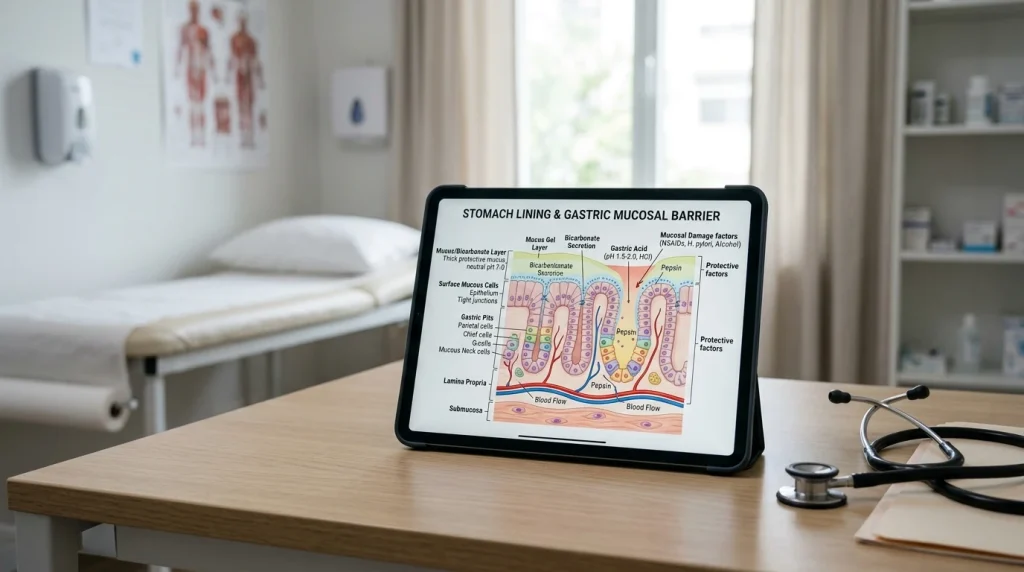
Under normal physiological conditions, the human stomach maintains a robust multi-layered mucosal barrier composed of epithelial tight junctions, a bicarbonate-rich mucus gel layer, and high mucosal microvascular blood flow.
| Exposure Category | Gastric Mucosal Effect | Histological Characteristics | Clinical Severity & Prognosis |
|---|---|---|---|
| Therapeutic Human Tablets (150–200 mcg/kg) | Negligible direct epithelial disruption; mild transient peristaltic stimulation | Intact gastric epithelium without inflammatory cellular infiltration | Mild, transient dyspepsia resolving spontaneously in 24–48 hours |
| Veterinary Paste / Drench Ingestion | Direct chemical erosion from harsh excipients (polysorbate 80, petroleum distillates) | Epithelial sloughing, subepithelial hemorrhages, acute focal erosions | Moderate-to-severe acute chemical gastritis requiring mucosal protectants |
| Parasite Lysis (Upper GI Nematodes) | Localized release of helminthic proteases and host eosinophil degranulation | Lamina propria edema with eosinophilic and neutrophilic infiltration | Acute inflammatory colic and epigastric burning resolving post-clearance |
Clinical Distinctions: Drug Gastritis vs. Peptic Ulcers vs. H. Pylori
Gastroenterologists utilize clinical criteria and endoscopy to differentiate ivermectin-induced stomach irritation from chronic gastric diseases:
- Helicobacter Pylori Gastritis: Chronic bacterial colonization producing urease, leading to chronic antral inflammation, elevated serum gastrin, and positive urea breath/stool antigen tests. Ivermectin has zero antibacterial efficacy against H. pylori.
- NSAID-Induced Gastropathy: Prostaglandin synthesis inhibition (via COX-1 pathway blockade) resulting in deep, punched-out mucosal ulcers with high bleeding risks.
- Acute Chemical Gastritis: Rapid onset of burning epigastric pain within 1 to 4 hours of ingesting caustic foreign compounds, accompanied by acute nausea and vomiting.
Diagnostic Sequence for Post-Treatment Epigastric Symptoms
If epigastric distress persists beyond 48 hours following antiparasitic therapy, physicians follow a structured diagnostic workup:
- Non-Invasive H. Pylori Testing: Stool antigen ELISA or 13C-Urea breath test to rule out occult bacterial infection.
- Complete Blood Count (CBC) & Ferritin: Screening for microcytic anemia caused by occult upper gastrointestinal blood loss.
- Esophagogastroduodenoscopy (EGD): Upper endoscopy with gastric mucosal biopsy if patients exhibit ‘alarm symptoms’ (such as persistent vomiting, hematemesis, melena, or unintentional weight loss).
Clinical Management & Gastric Mucosal Recovery Protocol
Restoring gastric barrier integrity following acute mucosal irritation involves targeted pharmacological protection and dietary resting:
- Proton Pump Inhibitors (PPIs) / H2 Blockers: Omeprazole (20–40 mg once daily) or Famotidine (20 mg twice daily) for 14 days to suppress gastric acid secretion, allowing epithelial tight junctions to heal.
- Sucralfate Suspension: Forms an insoluble mucosal protective paste that binds electrostatically to positively charged proteins in inflamed gastric mucosa, acting as a physical shield against pepsin and bile acids.
- Bland Dietary Regimen: Avoid spicy seasonings, acidic citrus fruits, tomato-based sauces, carbonated beverages, alcohol, and caffeine during the acute healing phase.
Cellular Regeneration & Cytoprotective Mechanisms in Gastric Healing
Gastric mucosal restitution occurs through rapid epithelial cell migration across denuded basement membrane areas, followed by enhanced cellular proliferation driven by Epidermal Growth Factor (EGF) and basic Fibroblast Growth Factor (bFGF). In cases of acute chemical irritation, intact submucosal microcirculation delivers essential bicarbonate and nutrient oxygenation necessary for epithelial tight junction repair.
Administering cytoprotective prostaglandin analogs (such as misoprostol) or endogenous mucosal protectants enhances gastric mucosal blood flow and stimulates mucus glycoprotein synthesis. Clinical studies indicate that when caustic foreign substances are eliminated and gastric acid secretion is concurrently suppressed with proton pump inhibitors, complete endoscopic mucosal restitution is achieved within 7 to 14 days without long-term atrophic remodeling.
Frequently Asked Questions (FAQ)
Can ivermectin cure chronic stomach gastritis?
No. Gastritis is caused by H. pylori bacteria, NSAID use, bile reflux, or autoimmune conditions. Ivermectin is strictly an antiparasitic drug and provides zero therapeutic benefit for non-parasitic gastritis.
Should I take ivermectin with food or on an empty stomach?
Prescription human tablets are officially recommended to be taken on an empty stomach with a full glass of water, at least 1 hour before or 2 hours after a meal, to achieve consistent pharmacokinetics.
Can ivermectin trigger stomach ulcers?
Therapeutic human tablets do not cause gastric ulceration. However, consuming concentrated veterinary livestock pastes containing industrial excipients can cause chemical erosions and ulcerations of the gastric lining.
How long does stomach burning last after taking medication?
Mild digestive upset from therapeutic doses resolves within 24 to 48 hours. Burning that persists beyond 3 days warrants medical evaluation for underlying acid-peptic disease.
Recibe nuestras últimas guías, noticias y análisis destacados en la Búsqueda de Google y en AI Overviews.