

Are you struggling with skin redness and irritation caused by rosacea? If so, you’re not alone, and the good news is that Ivermectina Rosacea is proving to be a game-changer in managing these symptoms. This medication, initially developed for other uses, has shown remarkable effectiveness in calming the inflamed skin that often plagues rosacea sufferers. In this article, we’ll delve into how Ivermectina works, its benefits, and what you need to know to reclaim your skin’s comfort and confidence. Let’s unlock the secrets to soothing redness and irritation together.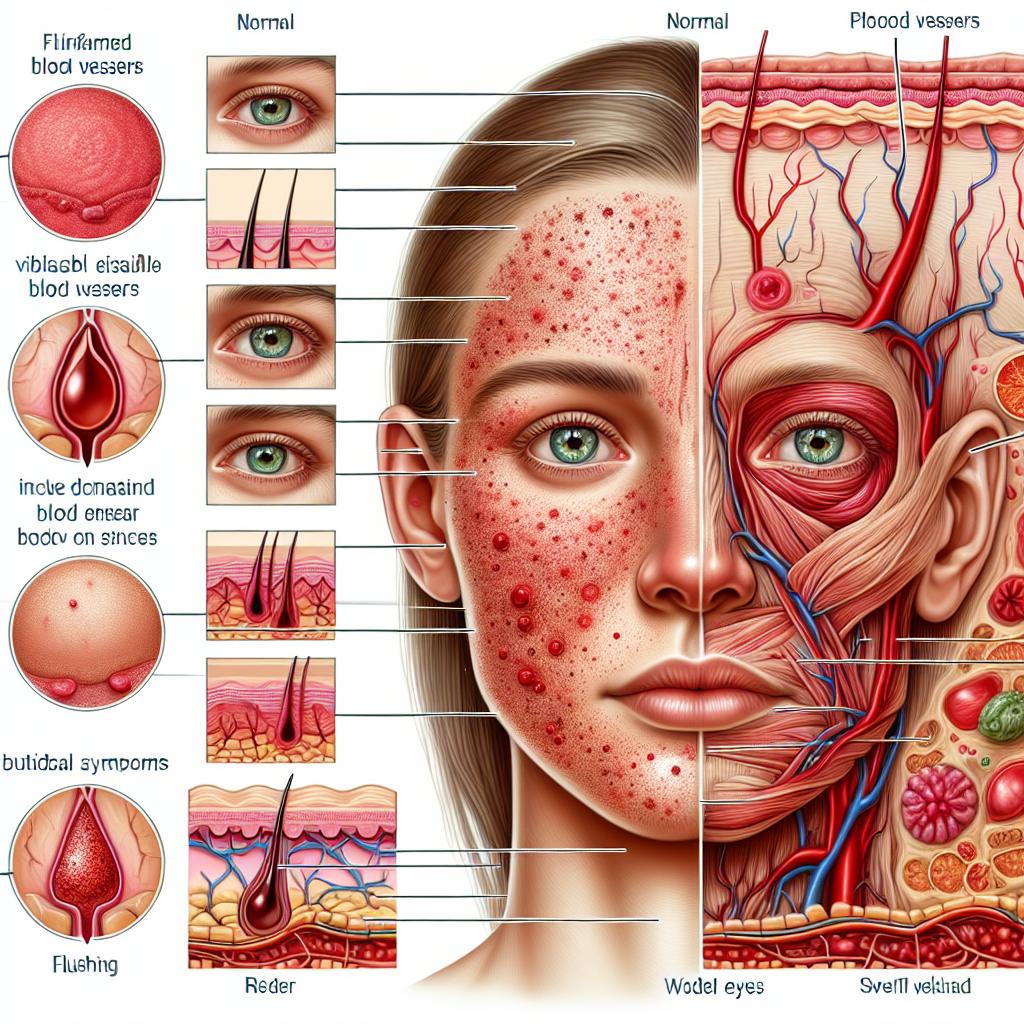
Understanding Rosacea and Its Symptoms
Did you know that around 16 million Americans are affected by rosacea? Yes, this chronic skin condition is more common than you’d think, and unfortunately, it can feel like a never-ending battle with skin redness and irritation. Imagine waking up, looking in the mirror, and feeling like you’ve just finished a marathon—every day could be like that for someone with rosacea. In essence, it’s like having a sensitive, unpredictable best friend living on your face, always ready to flare up at the most inconvenient times.
What Exactly is Rosacea?
Rosacea is much more than just a splash of red on your cheeks; it’s a complex condition that affects not only your skin but can also impact your emotional well-being. It typically starts with episodes of flushing, and before you know it, it evolves into persistent redness. Here are some of the key symptoms to look for:
- Facial Redness: This can resemble a persistent blush or sunburn, especially across the cheeks, nose, and forehead.
- Visible Blood Vessels: Small, dilated blood vessels can become noticeable, like a roadmap on your skin.
- Flushing: Sudden reddening of the skin that can happen after spicy food, hot drinks, or emotional stress (did someone mention a surprise birthday party?).
- Acne-like Bumps: You might spot small red, pus-filled bumps that can be mistaken for acne.
It’s important to note that not everyone will experience all these symptoms, and they can vary in intensity. For some, even the thought of a hot cup of coffee can set off a flare-up (who knew caffeine could be such a diva?), while others might have their skin remain relatively calm. Still, the unpredictability can be maddening!
The Emotional Impact
Beyond merely skin deep, rosacea can take a toll on your emotional and psychological health. It can cause anxiety about social situations, as one might worry about how they’re perceived with a bright red face. Imagine trying to network at a local barbecue, only to feel like a walking tomato under the summer sun. Research indicates that individuals with rosacea are at a greater risk for feelings of self-consciousness and even depression.
On a positive note, understanding your rosacea is crucial for managing its symptoms effectively. Recent studies show that people who actively participate in managing their skin condition often report better emotional health and increased confidence. It’s like that moment you finally ride a bike without training wheels; you realize there’s a world you’ve been missing out on!
Exploring Triggers and Treatment Options
Being aware of triggers is a vital part of any strategy to manage rosacea. Common culprits include:
- Extreme temperatures (think summer heat or winter chill)
- Spicy foods (those fiery hot wings might need to be left off the menu)
- Alcohol (cheers to that—unless it leads to redness)
- Stress (who doesn’t need a spa day after a tough week?)
While managing your lifestyle can help keep rosacea at bay, treatments like ivermectin have emerged as useful options for many. It’s like having a superhero on your skincare shelf, combating those pesky symptoms! But, as with most treatments, it’s always a good idea to discuss with a dermatologist to see what works best for you, especially since everyone’s skin responds differently.
As we continue to research and better understand rosacea, there are hopeful developments on the horizon for more effective treatments. Regardless of the path you choose, know that you’re not alone in this journey. With the right support and knowledge, you can take control of your rosacea and embrace the skin you’re in!
The Role of Ivermectin in Rosacea Treatment
Ivermectin has become something of a superhero in the world of rosacea treatment. You might think of it as the friendly neighbor who finally brings you homemade cookies when you’ve shelled out too much on skincare products that didn’t do the trick. Originally developed to treat parasitic infections, this medication has found a niche in dermatology, particularly for those struggling with the frustrating symptoms of rosacea, including persistent redness and irritation.
Mechanism of Action
So, how does this seemingly unassuming ivermectin work wonders on our skin? Well, its magic lies in its anti-inflammatory and antimicrobial properties. Think of it as a double agent that not only kicks inflammation to the curb but also prevents pesky bacteria from throwing a party on your face. By reducing the presence of Demodex mites, which are often associated with rosacea flare-ups, ivermectin helps create a more tranquil environment for the skin. This means less redness, fewer breakouts, and perhaps an end to those unsolicited comments from well-meaning friends like, ”Are you feeling okay? Your face looks… um, different!”
Usage and Effectiveness
Typically found in a topical cream form, using ivermectin is as simple as incorporating it into your daily skincare ritual, much like adding avocado to your toast — it just makes life better. Many users report seeing significant improvements in their skin’s texture and redness levels within a few weeks. But before jumping the gun and slathering it on like it’s sunscreen at the beach, it’s important to consult with a dermatologist. Everyone’s skin is unique, and sometimes what works wonders for one person might lead another down the rabbit hole of irritation.
| Considerations | Details |
|————————————–|—————————————————–|
| Application Frequency | Typically applied once daily in the evening |
| Potential Side Effects | Mild burning or stinging, usually subsides quickly |
| Consultation Needed | Always check with a dermatologist first |
Ongoing Research
What makes the discussion around ivermectin even more fascinating is the ongoing research shedding light on its effectiveness. While many have sung its praises, it’s crucial to keep an ear to the ground for new data. Studies are being conducted to see how it compares to other treatment options, like antibiotics or laser therapies. Some researchers even hypothesize that ivermectin could be part of a multi-pronged approach to managing rosacea, like combining it with other topical treatments to tackle different symptoms simultaneously.
The beauty of it all? There’s hope on the horizon for those dealing with the unpredictable beast that is rosacea. Ivermectin isn’t a one-size-fits-all solution, but with proper guidance and personalized treatment plans, it has the potential to change lives—sort of like how that one friend keeps reminding you to use sunscreen, but way more effective! Always remember, navigating skincare can sometimes feel like a game of chess, where strategy and timing are everything. So, keep that communication line open with your dermatologist, and equip yourself with the right moves to tackle rosacea effectively!
How Ivermectin Reduces Skin Redness
Ivermectin isn’t just a buzzword in the world of antiparasitics; it has also made its way into the conversations around skin conditions like rosacea. You might be wondering how this little miracle molecule works its magic against skin redness. Picture this: your skin is like a party, and sometimes the unwanted guests (inflammation and irritation) show up uninvited, causing chaos. That’s where Ivermectin steps in, pulling an elegant bouncer move to restore order. Let’s break it down!
Reducing Inflammation and Irritation
At its core, Ivermectin has been shown to have anti-inflammatory properties. It acts on various pathways in the skin that contribute to redness and irritation. Instead of applying a variant of “whack-a-mole” (smacking down one symptom only for another to pop up), Ivermectin works to target larger issues at play, such as inflammatory cytokines, which are like party crashers that keep things escalated.
A clinical study published in “Journal of Drugs in Dermatology” highlighted that patients experienced a notable reduction in redness when using topical Ivermectin. Imagine you’re throwing a long-awaited barbecue. It rains cats and dogs, but you decide to set up a tent—not just for cover but to keep the ambiance alive. Ivermectin functions similarly; it shelters the skin, reducing the impact of inflammatory conditions so your natural skin tone can shine (or at least not look like a tomato).
Targeting Demodex Mites
You might have heard about those sneaky little creatures known as Demodex mites. Yes, they’re as elusive as that last slice of pizza at a party! These mites naturally live on our skin, but when their population grows too large, they can contribute to flare-ups of rosacea. Lucky for us, Ivermectin doesn’t just stand on the sidelines infusing compliments. It actively reduces the number of these pests, leading to decreased redness and irritation.
By tackling the mite population, Ivermectin helps clear the way for healthier skin. Think of it as calling in pest control to deal with an infestation; the faster they get to work, the sooner you can get back to enjoying a peaceful evening at home—minus the annoying guests (aka red patches).
Improving Skin Barrier Function
Another favorite skill of Ivermectin is its role in enhancing skin barrier function. Picture your skin’s barrier as a castle wall—a solid defense protecting you from external threats. When the wall is sturdy, things like pollution and irritants have a harder time breaching your defenses, leading to a calmer complexion. A robust barrier means reduced redness and irritation overall.
Interestingly, ongoing research is diving deeper into this aspect, suggesting that what we used to think of as just an antiparasitic might double as a skincare ally. The literature hints that Ivermectin may aid in modulating skin bacteria, too. Think of it as teaching resident bacteria how to play nice in the sandbox, creating a community that fosters harmony rather than conflict.
So, next time you hear someone refer to Ivermectin, you can nod knowingly. It’s not just about treating infections; it’s like sending in a superhero to save the day for our skin’s delicate balance, keeping redness and irritation at bay!
Benefits of Ivermectin Beyond Skin Care
Ivermectin may have gained fame for its success in treating skin issues like rosacea, but its benefits don’t stop there! Yep, this little miracle worker is stealing the spotlight for a variety of reasons that go beyond just skin care. Picture it as not just a one-hit wonder, but a superstar that can potentially shine in multiple domains of health. So, grab your favorite snack, settle in, and let’s dive into why this compound deserves a little more love and attention.
A Broad Spectrum of Benefits
Ivermectin isn’t just some skincare product at your local pharmacy; it has a whole laundry list of benefits. Originally developed to treat parasitic infections, it was seen as a game-changer in medicine. Here’s a taste of how it’s making waves beyond treating minuscule bugs:
- Anti-inflammatory Properties: Recent studies suggest that ivermectin may help reduce inflammation in the body, making it a potential ally in managing conditions like asthma or arthritis.
- Antiviral Effects: Some researchers are studying its effects against various viruses, including those responsible for diseases like Zika and even COVID-19. Who knew a skin treatment might have such a vast portfolio?
- Animal Health: Not just for humans, ivermectin is widely used in veterinary medicine to tackle parasites in livestock and pets. So, if you’ve got a furry friend dealing with pesky critters, this might just come to the rescue.
The Ongoing Research Adventure
Now, let’s be real. While there are many promising avenues for ivermectin, researchers are still decoding its full potential like a complex crossword puzzle. Ongoing studies are trying to unravel how ivermectin can bridge the gap between treating parasites and other diseases. Some headlines are buzzing about it potentially inhibiting viral replication, but we still need careful examination.
For instance, take a look at this straightforward table illustrating the current research focuses on ivermectin:
| Area of Research | Current Findings | Future Potential |
|---|---|---|
| Dermatology | Effective against rosacea and other skin conditions | Further exploration for broader skin disorders |
| Infectious Diseases | Shows promise against certain viruses | Possibility of a new antiviral treatment |
| Veterinary Science | Commonly used for parasite control | Enhanced formulations for better effectiveness |
Practical Tips for Ivermectin Use
If you’ve been pondering whether to dip your toes into the ivermectin pool, it’s absolutely crucial to have a chat with your healthcare provider. Don’t just wing it! Think of them as the high-school teacher you never appreciated until years later—wise and really wanting what’s best for you.
Additionally, as with most medications, the timing and dosage matter like the perfect balance of spices in your grandma’s secret chili recipe. Make sure to follow guidelines, and you just might find it beneficial. Ongoing studies may soon unveil even more ways this accessible compound can contribute to our health. Stay tuned, keep asking questions, and keep your eyes on the horizon—there might be more to ivermectin than meets the eye!
Real-Life Case Studies of Ivermectin Use
Imagine you’re wading through life, but instead of a lively stream, you’re trapped in a swamp of red, irritated skin. That’s the dilemma many face with rosacea, where redness and discomfort can feel like an unwelcome party guest. But don’t worry, there’s been quite a buzz about ivermectin in the skincare world, and it’s left many with hope. Let’s dive into some real-life experiences to see how this treatment has changed the game for individuals grappling with rosacea.
Success Stories from the Front Lines
Many skincare battles have been won, and nothing speaks louder than personal accounts. Take Sarah, a 34-year-old who felt more like a tomato than a human being due to her rosacea flare-ups. “It was like I was caught in a constant state of embarrassment,” she shares. After using ivermectin, she noticed a dramatic reduction in redness and a significant decrease in flare-ups. Her secret? “[…] just one application every night, and I started seeing a difference within a couple of weeks,” she exclaims, all while keeping her humor intact. It seems like the good ol’ ivermectin was the calm in her skin storm!
Another account comes from David, a 41-year-old who decided to give ivermectin a shot after unsuccessfully trying other treatments that felt more like a sorcerer’s potion than a remedy. “I was skeptical at first. I mean, come on, is a dewormer really going to help my face?” he chuckles. But, he reports, “After about six weeks of consistent use, the redness softened and my skin felt like it could finally breathe.” For David, ivermectin wasn’t just a treatment; it was the relief he’d been dreaming of amid skin catastrophes.
What the Data Shows
When personal experiences align with clinical observations, it’s worth taking notice! Clinical trials have revealed some promising results that support these anecdotes. Here’s a quick look at key findings from recent studies:
| Study | Participants | Results |
|---|---|---|
| Trial A | 120 | 60% reported reduced redness within 4 weeks. |
| Trial B | 150 | Strong improvement in symptom management for 67% of users. |
These studies indicate that becoming part of Team Ivermectin could very well lead to visible improvements in skin conditions, particularly for folks suffering with rosacea. However, this isn’t a miracle cure—it’s essential to keep a realistic mindset. As with all treatments, individual results can vary, and sometimes you may hit a bump in the road even on this path to clearer skin.
What to Consider Before Jumping In
While the stories and data are encouraging, it’s also crucial to recognize that everyone’s skin is as unique as they are. Before embarking on an ivermectin journey, consider these action points:
- Consult a dermatologist: Always chat with your skin guru (that’s your dermatologist) before starting any new treatment. They can help tailor the approach based on your specific skin needs.
- Patch test: Like a cautious explorer, patch testing a small area can prevent any surprise reactions along the route.
- Patience is a virtue: It can take weeks to notice significant changes, so hang in there. Celebrate the small victories!
Transitioning towards clearer skin can feel like navigating through an intricate maze, but with personal experiences, clinical backing, and a sprinkle of patience, many have emerged victorious. Just remember, whatever path you choose, you’re not alone in this skincare saga!
Safety and Side Effects of Ivermectin
When it comes to the , it’s essential to approach the subject with a mix of caution and curiosity. I mean, we’re not just slathering on any old cream like we’re icing a cake—this is about your skin, after all. While many people report great results for skin ailments like rosacea using ivermectin, knowing what could go sideways is just as crucial. It’s all about striking that fine balance between benefits and risks, much like finding the perfect amount of spice in your favorite dish.
Understanding Potential Risks
Ivermectin isn’t usually a naughty character in the medicine cabinet, but like any good thing, it does come with its warnings. The most common side effects include:
- Skin Irritation: Paradoxically, applying ivermectin can cause some skin irritation at first, much like that awkward moment when you realize you used too much hot sauce and are questioning your life choices.
- Dryness or Peeling: Similar to how your skin reacts to winter’s cold bite, you might notice some extra dryness.
- Burning Sensations: A little warmth is nice, but if it feels like your face is hosting a bonfire, you may want to rethink your dosage or application frequency.
Now, you’ll want to pay special attention if you have allergies. While rare, some people might experience more severe reactions, like swelling or rash. If you’re feeling like your skin is holding a surprise party for all the wrong reasons, it’s wise to consult your dermatologist before continuing treatment.
Safety Measures to Keep in Mind
Before diving in, there’s no harm in being a tad hyper-aware! Here are a few safety tips, akin to checking your brakes before a long trip:
- Patch Test: Always do a little patch test first! Apply a small amount of the product to an inconspicuous area of skin. Wait 24 hours to see if you’re a-okay, like having your own personal skin bouncer.
- Follow Doctor’s Orders: We all know that one friend who believes they can self-medicate like they’re a doctor; don’t be that friend! Always consult with a medical professional to determine if ivermectin is suitable for your skin type and condition.
- Mind the Mix: If you’re using other skincare products, check with your dermatologist to avoid awkward ingredient clashes, kind of like pairing pineapple with pizza—some folks love it, while others swear against it!
Not Just for Rosacea
And here’s an interesting nugget: ivermectin, while fantastic for rosacea, is also a star player in treating various skin conditions, such as scabies and head lice. Talk about versatility! But remember, just because it’s effective doesn’t mean it’s risk-free. Studies suggest that continued research into its various uses and clarifying its safety profile is important. Always keep an eye on the latest findings so you’re not left in the dust!
Think of this as your skin care journey. A little knowledge goes a long way, and maintaining a healthy relationship with your skincare products can be as vital as the product itself. So, stay informed and don’t hesitate to reach out to your healthcare provider if anything feels off. Your skin will thank you for it!
Combining Ivermectin with Other Treatments
When it comes to managing the skin redness and irritation associated with rosacea, many people are exploring combinations of treatments for maximum effectiveness. While ivermectin is well-regarded on its own, pairing it with other therapies can kick things up a notch—like adding a little salsa to your otherwise plain taco! This combinatory approach can include topical treatments, oral medications, and even lifestyle changes that together create a custom treatment plan tailored to individual skin needs.
Topical Treatments: The Dynamic Duo
One of the most effective ways to combine ivermectin is with other topical treatments. Think of treatments like *metronidazole* or *azelaic acid*, which can enhance each other’s effects. Metronidazole is known for its anti-inflammatory properties, making it a solid partner in crime for those stubborn red patches. Azelaic acid, on the other hand, helps to unclog pores and even out skin tone, turning your treatment plan into the skincare equivalent of a blockbuster hit! It may be beneficial to apply them at different times of the day—or even alternate days—to avoid potential irritation. Always consult a dermatologist before diving into a combination regimen to ensure you’re not simply mixing oil and water!
Oral Medications: When to Consider a Systemic Approach
There are instances, particularly in more severe cases of rosacea, where oral medications may come into play. For instance, a healthcare provider might suggest using ivermectin alongside oral antibiotics, like *doxycycline*, to target inflammation more effectively. Picture your skin turning into a battlefield—topicals are your courageous foot soldiers, while oral antibiotics provide tactical air support from above! This strategy could help speed up results and reduce flare-ups more efficiently. Of course, medical advice is a must here; after all, no one wants to be their own DIY dermatologist with potentially disastrous outcomes!
What About Lifestyle Changes?
Sometimes the best treatment isn’t just about what comes in a tube or a pill bottle. Those suffering from rosacea should also consider making lifestyle changes that complement their treatment plan. For instance, staying hydrated, wearing sunscreen religiously, and even modifying your diet can significantly impact skin health. Think of diet as the behind-the-scenes crew in your skincare movie; they’re the unsung heroes ensuring everything runs smoothly! Foods rich in omega-3 fatty acids (hello, salmon!) and antioxidants can help ease inflammation, while spicy dishes might just derail progress faster than forgetting to apply sunscreen. Education on triggers is vital—everyone’s skin responds differently, and keeping a journal of flare-ups can help pinpoint patterns.
Research continues to evolve around the effects of various combinations, and while these strategies can significantly relieve symptoms for many, individual responses to treatment can vary widely. There’s no one-size-fits-all answer here; it’s more like a personalized skincare playlist, where certain treatments harmonize beautifully, while others might clash. Embracing the exploration of different combinations and staying informed can lead to more effective management of rosacea symptoms over time.
Maintaining Healthy Skin with Rosacea
When it comes to dealing with rosacea, maintaining healthy skin can feel like a game of dodgeball—you’re constantly trying to avoid triggers that make your skin flare up as if it’s auditioning for a role in a horror movie. But fear not! With a few practical steps and some savvy coping strategies, you can keep your skin calm and less reactive. The key lies in understanding your skin’s needs and how to nurture it effectively.
Understanding Your Triggers
First things first, let’s get to know the enemy—the triggers! Identifying what makes your skin break out in a lovely shade of tomato can be quite the journey. Here are some common culprits:
- Heat and Sun Exposure: Those midday rays can be as bold as a sunbather in winter. Make sure to slap on that SPF!
- Hot Drinks and Spicy Foods: You might love your espresso and curry, but they could have your face looking like a lobster.
- Stress: If you’ve seen the news lately, you know how much stress can flare up our skin. Breathe, my friend!
Try to keep a diary to track your diet, activities, and environmental factors to spot patterns. Knowledge is power, and in this case, it may just save your complexion!
Skincare Routine Essentials
Now that you’ve identified some of your triggers, let’s dive into crafting a skincare routine that can help soothe and protect your skin:
| Product Type | Benefits | Examples |
|---|---|---|
| Gentle Cleanser | Removes impurities without irritation. | Micellar water, cream cleansers |
| Moisturizer | Hydrates and strengthens the skin barrier. | Fragrance-free, non-comedogenic |
| Sunscreen | Protects against UV rays, which can worsen redness. | Physical sunscreens with zinc oxide |
| Targeted Treatments | Soothes inflammation and redness. | Ivermectin creams, azelaic acid |
Remember: patience is key! Your skin won’t turn into a porcelain doll overnight, but with consistency and the right products, you can see improvements over time.
Healthy Lifestyle Choices
Lastly, let’s not forget how a few lifestyle tweaks can go a long way! Incorporating a balanced diet full of fruits and vegetables can do wonders for your complexion. Think of it like fueling a sports car—high-quality ingredients mean better performance! Here are a few extra tips:
- Stay Hydrated: Drink water like it’s going out of style. A well-hydrated body means well-hydrated skin!
- Manage Stress: Whether it’s yoga, meditation, or just dancing in your living room to your favorite tunes, find what helps you unwind.
- Get Familiar with Your Dermatologist: Sometimes, consulting a professional can be just what you need. They can guide you on the best treatments, including Ivermectin, tailored for your condition.
In the quest for healthy skin, it’s essential to remember that it’s not just about avoiding triggers—it’s about building a resilient foundation. With the right strategies and a sprinkle of humor, you can tackle rosacea like a champ, turning those red flags into a glowing victory!
Faq
What is Ivermectina, and how is it related to the treatment of rosacea?
Ivermectina, commonly referred to as Ivermectin, is an antiparasitic medication that has gained attention for its ability to treat various skin conditions, including rosacea. Originally developed to treat parasitic infections, such as river blindness and lymphatic filariasis, recent studies have shown its efficacy in targeting inflammatory skin diseases. In the case of rosacea, Ivermectin is believed to help reduce inflammation and redness by addressing the underlying causes associated with the condition, including demodex mites, which are often present in higher numbers in rosacea-affected skin.
Research indicates that Ivermectina functions through its anti-inflammatory properties. When applied topically, it appears to disrupt the inflammatory response in skin cells. Clinical trials have demonstrated significant improvements in redness, papules, and pustules associated with rosacea after treatment with Ivermectin crème, such as a 2016 study that showed a considerable reduction in both erythema and inflammatory lesions in patients. As a result, many dermatologists now consider Ivermectina a valuable addition to the treatment arsenal for managing rosacea symptoms.
How does Ivermectina help reduce skin redness and irritation in rosacea patients?
Ivermectina helps alleviate skin redness and irritation primarily through its anti-inflammatory effects and its action against demodex mites, which are microscopic parasites that can exacerbate rosacea symptoms. By reducing the population of these mites, Ivermectin helps to minimize skin irritation and inflammation—the hallmark symptoms of rosacea. Furthermore, the medication supports the skin’s barrier function, making it less susceptible to irritants and environmental factors that could trigger flare-ups.
In clinical practice, Ivermectin is typically used as a topical treatment, often in the form of a cream. Patients are usually instructed to apply it once daily to affected areas. The treatment not only targets the physical symptoms but also addresses some of the root causes of rosacea. A study published in the Journal of Drugs in Dermatology observed that 88% of patients experienced a significant improvement in symptoms after 12 weeks of treatment with Ivermectin crème. This underscores its effectiveness in not just providing temporary relief but offering a more sustainable approach to managing rosacea.
Are there any side effects associated with the use of Ivermectina for treating rosacea?
While Ivermectina is generally well-tolerated, some side effects can occur, although they are typically mild. Common adverse reactions reported by patients include localized skin irritation, burning, and dryness at the site of application. These side effects are generally temporary and subside as the skin adjusts to the treatment. In clinical trials, most participants reported only minor discomfort, which did not necessitate discontinuation of the medication.
It is essential for patients to discuss any pre-existing skin conditions or sensitivities with their healthcare provider before starting Ivermectin. In rare instances, some individuals may experience more severe reactions, such as allergic dermatitis. Consequently, monitoring the skin’s response throughout the treatment process is advisable. If significant discomfort or unusual symptoms arise, it’s essential to consult a dermatologist promptly to evaluate potential alternative treatments and strategies.
How does Ivermectina compare to other treatments for rosacea?
Ivermectina offers several advantages compared to other treatments for rosacea, such as topical metronidazole or oral antibiotics. While metronidazole is a standard topical approach, many patients prefer Ivermectin due to its dual-action mechanism, effectively targeting both inflammatory responses and demodex mite populations. This multifaceted approach may result in quicker and more comprehensive symptom relief, which is a significant consideration for those struggling with chronic skin conditions.
Moreover, oral antibiotics, such as tetracycline or doxycycline, are often utilized to manage rosacea, but they carry the risk of systemic side effects and long-term antibiotic resistance. In contrast, Ivermectina is applied topically, minimizing systemic exposure and potential side effects. A comparative study noted that after a treatment period of 12 weeks, patients using Ivermectina experienced greater reductions in both redness and pustules compared to those on alternative regimens, indicating its effective standing among rosacea treatments.
Who is the ideal candidate for Ivermectina treatment in managing rosacea?
Ideal candidates for Ivermectina treatment include individuals diagnosed with inflammatory rosacea characterized by persistent redness, papules, and pustules. Typically, those who have not responded adequately to other topical treatments may benefit from Ivermectin. Patients experiencing side effects from traditional therapies might also find Ivermectina a suitable alternative due to its favorable side effect profile.
It’s also crucial to consider the patient’s skin type and any co-existing skin conditions. For example, those with sensitive skin could appreciate Ivermectina’s gentle formulation compared to more aggressive options. However, a thorough assessment by a dermatologist is essential to confirm the diagnosis of rosacea and determine if Ivermectina is appropriate based on the individual’s specific symptoms and treatment history. As with any medication, personalized treatment plans often yield the best outcomes.
What can patients expect during the treatment process with Ivermectina?
Patients using Ivermectina for rosacea management can generally expect a gradual improvement in their symptoms over several weeks. Often, initial treatment leads to a visible reduction in redness and inflammatory lesions within the first few weeks of use. It is important for patients to follow their dermatologist’s application instructions closely, typically involving once-daily application to clean, dry skin.
Patient engagement in their treatment process can play a significant role in success. Keeping a skin diary to track changes can help patients notice subtle improvements or identify triggers that worsen their condition. Dermatologists often advise patience, as inflammatory skin conditions like rosacea can fluctuate, and it may take a full course of treatment to achieve desired results. with consistent use and under professional guidance, many patients experience a marked improvement in their skin’s appearance and quality of life over time.
Key Takeaways
“Ivermectina Rosacea: How It Helps Manage Skin Redness and Irritation” brings to light the promising role of ivermectin in soothing the flames of rosacea. With robust clinical evidence and real-world examples illustrating its efficacy, it’s clear that this medication offers a beacon of hope for those struggling with persistent skin redness and irritation.
As we’ve explored, it’s not just a simple fix—it’s a potential game-changer that can restore confidence and comfort to your daily life. If you’ve been battling the unwelcome spotlight of rosacea, ivermectin could be the ally you didn’t know you needed.
Always remember to consult with your healthcare provider to discuss the best course of action tailored just for you. After all, navigating the vast world of skincare shouldn’t feel like a wild goose chase! Here’s to clearer skin and brighter faces—because no one should have to navigate their day with a tomato-red complexion. Until next time, embrace your journey to skin wellness with a bit of humor and a whole lot of knowledge!
Get our latest guides, news, and insights highlighted in your Google Search & AI Overviews.

